CSR Funds for Hospital in India: Complete Guide to Secure Corporate Funding
Introduction
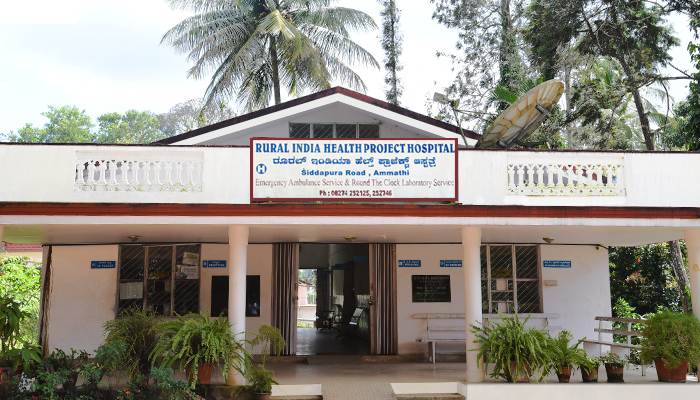
Healthcare remains one of the most critical sectors in India, especially in rural and underserved regions. With rising demand for quality medical services, CSR (Corporate Social Responsibility) funds for hospitals have become a major source of financial support for NGOs, trusts, and healthcare institutions.
If you are planning to start a hospital, expand infrastructure, run free medical camps, or provide affordable treatment, CSR funding can play a transformative role.
This detailed SEO-friendly guide will help you understand:
- How CSR funding works for hospitals
- Eligibility and application process
- Top companies offering CSR grants
- High-converting proposal strategies
- Real project ideas that get approved
What is CSR Funding for Hospitals?
CSR funding refers to the mandatory contribution by companies (under Section 135 of the Companies Act, 2013) towards social causes, including healthcare.
Companies allocate funds for:
- Building hospitals and clinics
- Purchasing medical equipment
- Conducting free surgeries
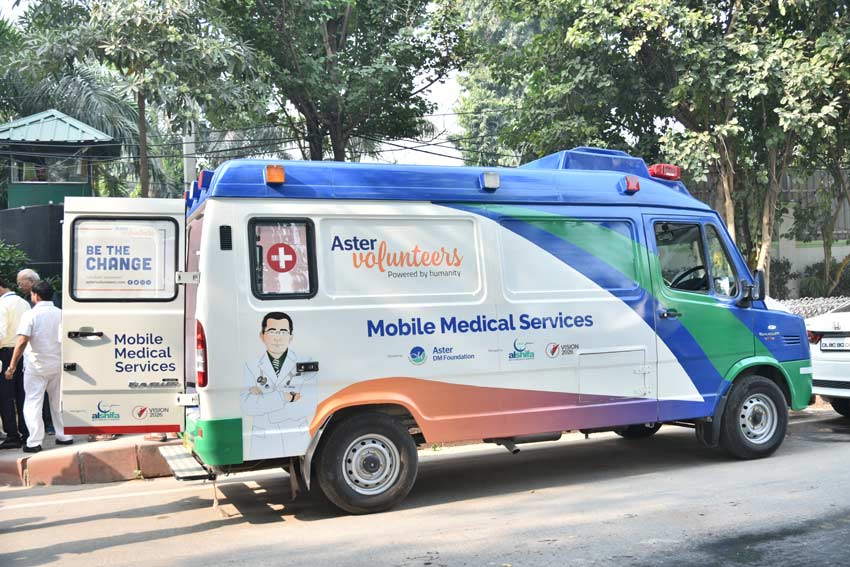
- Running mobile medical units
- Supporting maternal & child healthcare
Why Hospitals Get High CSR Priority

4
Healthcare is one of the top CSR sectors because:
- Direct impact on lives
- Aligns with SDGs (Sustainable Development Goals)
- High visibility for companies
- Long-term community benefit
Types of Hospital Projects Eligible for CSR Funding
1. Hospital Infrastructure Development
- Construction of new hospitals
- Expansion of wards (ICU, OPD, maternity)
- Renovation of government hospitals
2. Medical Equipment Funding
- MRI/CT scan machines
- Eye surgery equipment
- Dialysis units
- Ambulances
3. Free Treatment & Surgeries
- Cataract surgery programs
- Cancer treatment support
- Cardiac surgeries
- Orthopedic surgeries
4. Mobile Health Clinics
- Vans equipped with diagnostic tools
- Rural outreach programs
- Telemedicine services
5. Preventive Healthcare Programs
- Health awareness campaigns
- Screening camps (eye, diabetes, BP)
- Vaccination drives
Top CSR Companies Funding Hospitals in India

4
Some major CSR contributors include:
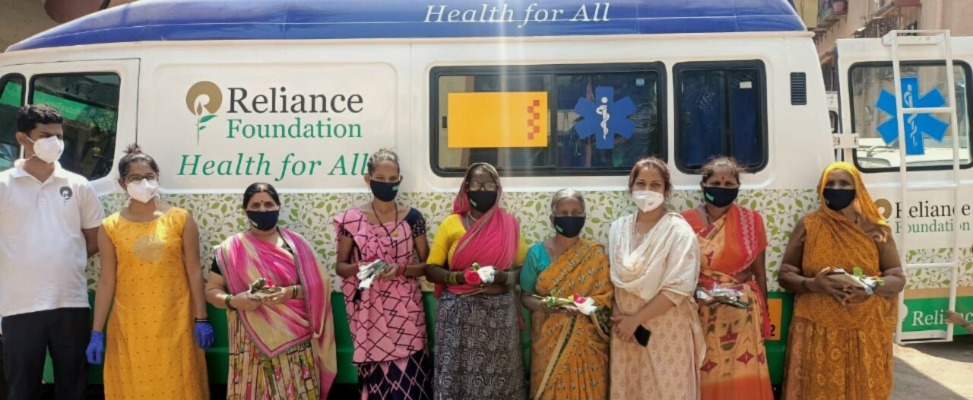
- Reliance Industries Limited
- Tata Trusts
- Infosys Foundation
- Adani Foundation
- HDFC Bank CSR
- ICICI Foundation
- NTPC Limited
- ONGC
These organizations regularly fund large-scale healthcare initiatives.
Eligibility Criteria for CSR Hospital Funding
To receive CSR funds, your organization must:
- Be a registered NGO/Trust/Section 8 Company
- Have valid 12A & 80G certification
- Be registered on CSR-1 portal
- Maintain proper financial records
- Have a proven track record (preferred)
Documents Required
- NGO Registration Certificate
- CSR-1 Registration Number
- PAN & Aadhaar of trustees
- Project proposal (detailed)
- Budget plan
- Previous work reports
- Audit reports (last 3 years)
How to Apply for CSR Funds for Hospitals
Step-by-Step Process
- Identify target companies
- Prepare a high-quality proposal
- Align project with company CSR goals
- Submit proposal via email/portal
- Follow up regularly
- Present impact metrics
High-Converting CSR Proposal Structure
1. Executive Summary
Clear and concise overview of the hospital project.
2. Problem Statement
Explain healthcare gaps in your target area.
3. Project Objectives
- Improve access to healthcare
- Reduce disease burden
- Provide affordable treatment
4. Implementation Plan
- Timeline
- Location
- Beneficiary details
5. Budget Breakdown
Detailed cost allocation:
- Equipment
- Staff
- Operations
6. Expected Impact
- Number of patients served
- Reduction in mortality
- Improved health indicators
Sample Budget for Hospital CSR Project
| Component | Estimated Cost |
|---|---|
| Equipment | ₹40,00,000 |
| Infrastructure | ₹30,00,000 |
| Staff & Operations | ₹20,00,000 |
| Outreach Programs | ₹10,00,000 |
Total Project Cost: ₹1 Crore
Best Hospital CSR Project Ideas (High Approval Rate)
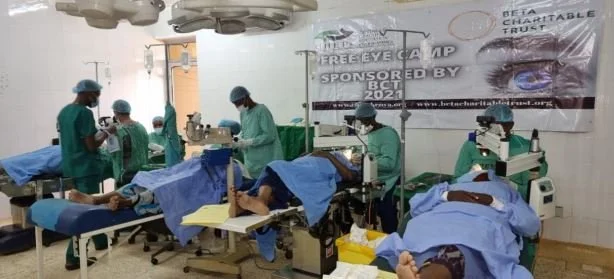


4
- Cataract Surgery Programs
- Dialysis Centers in Rural Areas
- Mobile Medical Vans
- Cancer Screening Units
- Maternal & Child Health Clinics
- Digital Health (Telemedicine)
Tips to Get CSR Funding Fast
- Focus on measurable impact
- Use real data and statistics
- Highlight scalability
- Include beneficiary stories
- Build corporate partnerships
- Maintain transparency
Common Mistakes to Avoid
- Poorly written proposals
- Lack of financial clarity
- No CSR alignment
- Weak follow-up strategy
- Unrealistic budgets
SEO Keywords to Rank This Topic
Use these keywords naturally in your blog:
- CSR funds for hospital
- healthcare CSR funding India
- NGO hospital funding India
- CSR projects for hospitals
- corporate funding for healthcare
- medical CSR projects India
Frequently Asked Questions (FAQs)
1. How can NGOs get CSR funds for hospitals?
NGOs must register under CSR-1, prepare a strong proposal, and approach companies aligned with healthcare initiatives. Building relationships and demonstrating impact increases approval chances.
2. What is the average CSR funding amount for hospital projects?
CSR funding can range from ₹10 lakhs to ₹5 crores, depending on project scale, company budget, and impact potential. Large infrastructure projects often receive funding above ₹1 crore.
3. Which hospital projects get fastest CSR approval?
Projects like:
- Cataract surgeries
- Mobile medical vans
- Dialysis units
These have high approval rates due to immediate impact and measurable outcomes.
4. Can private hospitals apply for CSR funding?
Yes, but priority is usually given to NGOs and charitable hospitals. Private hospitals must demonstrate strong social impact and affordability.
5. How long does it take to get CSR approval?
Typically:
- 1–3 months for small projects
- 3–6 months for large projects
Follow-ups and proposal quality significantly affect timelines.
Conclusion
CSR funding for hospitals is a powerful opportunity to transform healthcare access in India. With the right strategy, documentation, and proposal, organizations can secure funding for impactful medical initiatives.
Whether you are planning:
- A new hospital
- Free surgery programs
- Mobile healthcare services
CSR funds can help you scale your vision and save lives.
1. How can NGOs get CSR funds for hospitals?
NGOs can secure CSR funding for hospitals by following a structured and strategic approach. The first and most important step is ensuring legal eligibility—your organization must be registered as a Trust, Society, or Section 8 Company and must have 12A, 80G, and CSR-1 registration.
Next comes research and targeting. Identify companies whose CSR focus includes healthcare. Study their past projects—whether they fund infrastructure, equipment, or health camps—and align your proposal accordingly.
A strong CSR proposal is the backbone of success. It should clearly define:
- The healthcare problem (e.g., lack of hospitals in rural areas)
- Your solution (hospital setup, mobile clinic, surgeries)
- Expected impact (number of beneficiaries)
- Budget and timeline
After submission, consistent follow-up is crucial. Many NGOs lose opportunities simply because they don’t follow up professionally.
Networking also plays a major role. Connecting with CSR heads on platforms like LinkedIn, attending CSR events, and building partnerships can significantly improve your chances.
2. What is the average CSR funding amount for hospital projects?
CSR funding varies widely depending on the scale, location, and impact of the hospital project.
Here’s a general breakdown:
- Small Projects (₹10–50 lakhs):
- Health camps
- Basic equipment purchase
- Small clinic setup
- Medium Projects (₹50 lakhs–₹2 crores):
- Mobile medical vans
- Dialysis units
- Specialized departments (eye care, maternal health)
- Large Projects (₹2–10+ crores):
- Full hospital construction
- Multi-specialty expansion
- Advanced equipment (MRI, CT scan)
Companies often prefer modular funding, meaning they may fund a part of a large project rather than the entire budget.
Also, recurring projects like free surgeries or health camps can receive annual CSR funding, making them sustainable over time.
3. Which hospital projects get the fastest CSR approval?
Certain hospital-related projects have a higher probability of quick approval because they offer immediate, visible, and measurable impact.
Top fast-approval projects include:
- Cataract Surgery Programs
These are highly preferred because they are low-cost and deliver instant results (restoring vision). - Mobile Medical Units
Companies like projects that reach rural and underserved populations directly. - Dialysis Centers
High demand and life-saving impact make these projects attractive. - Screening Camps (Eye, Diabetes, Cancer)
Preventive healthcare projects align well with CSR goals. - Maternal & Child Healthcare Programs
These are aligned with national priorities and SDGs.
Projects that include clear numbers (e.g., 5,000 surgeries/year) and defined outcomes tend to get approved faster.
4. Can private hospitals apply for CSR funding?
Yes, private hospitals can apply for CSR funding, but there are some important conditions.
CSR law prioritizes charitable impact over profit, so private hospitals must demonstrate that:
- Services will be free or subsidized for beneficiaries
- The project has clear social impact
- Funds will not be used for profit-making purposes
Private hospitals often partner with:
- NGOs
- Trusts
- Foundations
This increases credibility and improves approval chances.
For example, a private hospital can propose:
- Free cataract surgeries for BPL patients
- Cancer treatment support for underprivileged patients
- Rural outreach programs
The key is to position the project as a social initiative, not a business expansion.
5. How long does it take to get CSR approval?
The CSR approval timeline depends on multiple factors such as project size, company processes, and proposal quality.
Typical timelines:
- Small Projects: 1–2 months
- Medium Projects: 2–4 months
- Large Projects: 4–6 months (or more)
The process usually includes:
- Proposal submission
- Initial screening
- Internal CSR committee review
- Due diligence
- Final approval
To speed up approval:
- Submit a clear and professional proposal
- Ensure all documents are complete
- Maintain regular follow-ups
- Be ready for presentations or clarifications
Companies may also conduct site visits before approving large hospital projects.
6. What are the key factors companies consider before approving hospital CSR projects?
Companies evaluate hospital CSR proposals based on several critical parameters:
- Impact Potential: Number of beneficiaries and long-term benefits
- Transparency: Clear budget and fund utilization
- Credibility: Track record of the NGO/hospital
- Scalability: Can the project grow or expand?
- Sustainability: Will the project continue after CSR funding?
Projects that combine high impact + strong execution plan have the highest success rate.
7. Can a new NGO apply for CSR funds for hospital projects?
Yes, a new NGO can apply, but it may face challenges due to lack of experience.
To improve chances:
- Partner with an experienced NGO or hospital
- Start with small projects (health camps, screenings)
- Build a track record before applying for large funding
Many companies prefer organizations with at least 2–3 years of experience, but a strong proposal can still work.
8. Is CSR funding available for hospital equipment only?
Yes, many companies prefer funding specific components rather than entire hospital projects.
Common equipment funded under CSR:
- Dialysis machines
- Ambulances
- Eye surgery kits
- ICU equipment
- Diagnostic machines
This is often easier to approve because:
- Budget is clearly defined
- Impact is measurable
- Implementation is faster
9. How can consultants help in getting CSR funds for hospitals?
CSR consultants play a crucial role in:
- Identifying the right companies
- Preparing high-quality proposals
- Creating budgets and documentation
- Managing follow-ups
- Increasing approval success rate
They also help in positioning your project strategically, which is often the difference between rejection and approval.
10. What happens after CSR funds are approved?
Once CSR funding is approved, the process includes:
- MoU Signing
- Fund Disbursement (in phases)
- Project Implementation
- Monitoring & Reporting
Organizations must submit:
- Progress reports
- Utilization certificates
- Impact assessments
Proper reporting is critical because it helps in:
- Building long-term relationships
- Securing repeat funding