CSR Support for Rural Hospitals in India: Complete Word Guide
Introduction
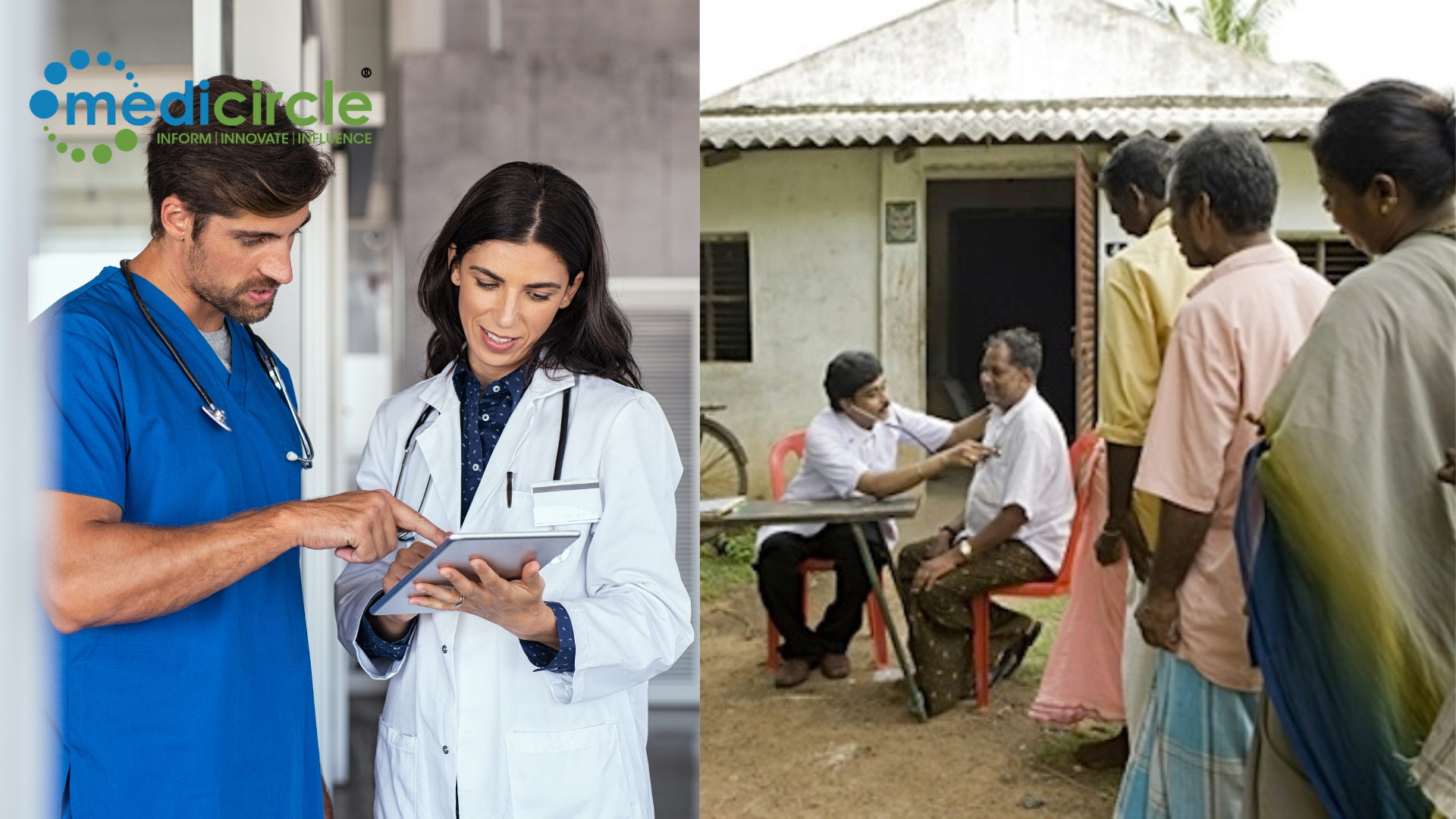
CSR support for rural hospitals in India has become one of the most impactful mechanisms to improve healthcare accessibility in underserved regions. With nearly two-thirds of India’s population residing in rural areas, the demand for quality healthcare infrastructure, trained professionals, and affordable services continues to grow rapidly. However, government resources alone are often insufficient to meet this demand. This is where CSR funding for healthcare in India plays a transformative role.
Corporate Social Responsibility (CSR), mandated under the Companies Act, 2013, requires eligible companies to spend at least 2% of their average net profits on social development initiatives. Among various sectors, healthcare CSR projects in India receive a significant share due to their direct impact on human lives. Rural hospitals, in particular, benefit from CSR interventions because they often lack even basic facilities such as diagnostic equipment, trained staff, and emergency care systems.
CSR support for rural hospitals includes a wide range of initiatives such as hospital construction, equipment funding, mobile health units, telemedicine services, and free medical camps. These initiatives not only improve healthcare delivery but also reduce the burden on urban hospitals by strengthening primary healthcare systems in villages.
For NGOs, trusts, and Section 8 companies, CSR funding represents a major opportunity to scale their impact. By aligning their projects with corporate priorities, they can access CSR grants for hospitals in India, enabling them to implement large-scale healthcare interventions. Companies, on the other hand, benefit from enhanced brand reputation, compliance with legal requirements, and meaningful social impact.
This comprehensive guide explores every aspect of CSR support for rural hospitals, including funding types, proposal strategies, implementation models, and future trends. Whether you are an NGO seeking funding or a consultant working in CSR, this guide will help you understand how to effectively leverage corporate funding for rural healthcare in India.
Why Rural Hospitals Need CSR Support
Healthcare Inequality in Rural India
4
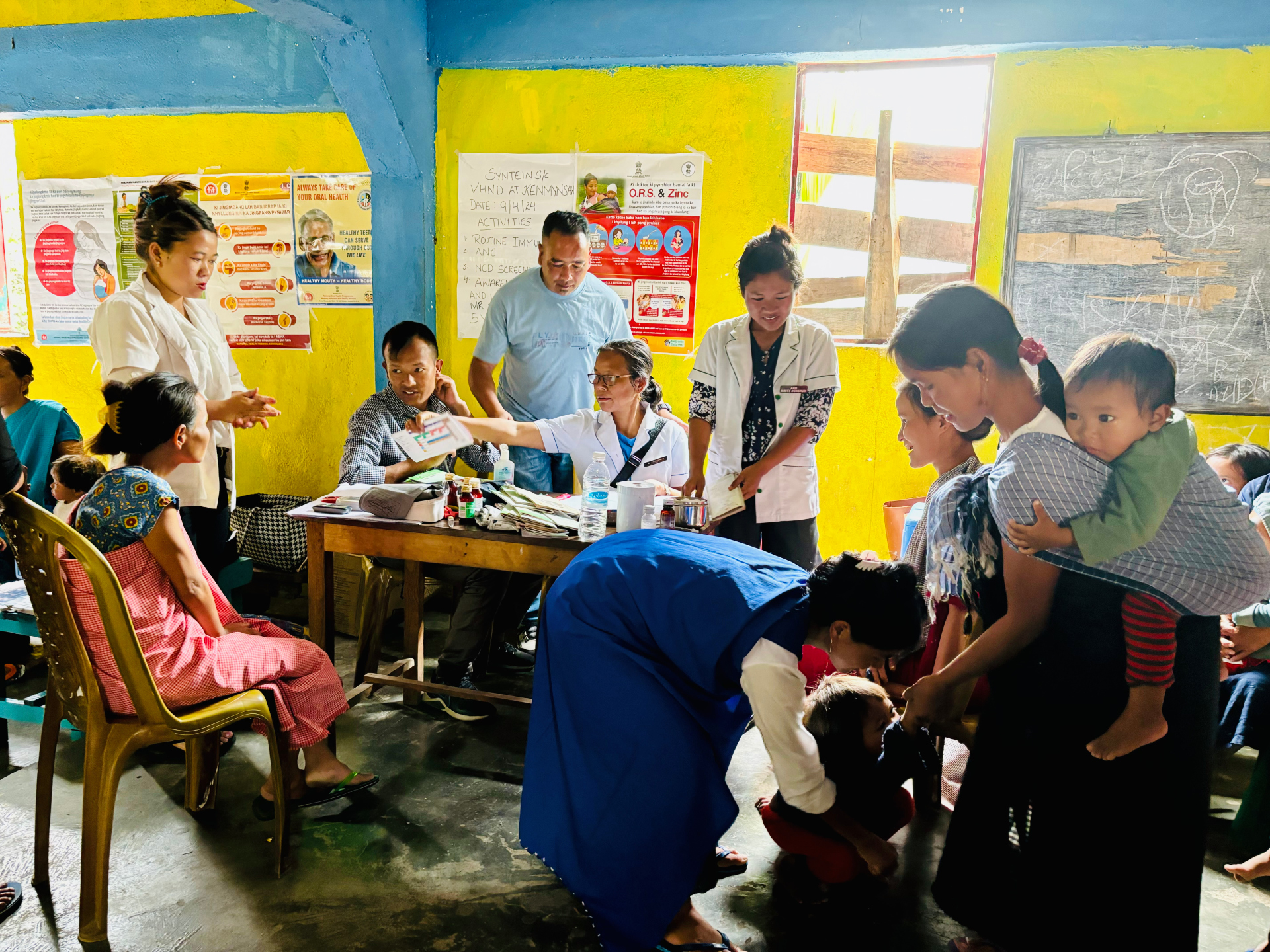
Healthcare inequality remains one of the most pressing challenges in India, particularly in rural areas where access to quality medical services is severely limited. Despite various government initiatives, rural healthcare infrastructure continues to lag behind urban standards. This disparity creates an urgent need for CSR support for rural hospitals to bridge the gap and ensure equitable healthcare access.
In rural India, primary health centers (PHCs) and community health centers (CHCs) often suffer from inadequate infrastructure, outdated equipment, and a shortage of qualified medical professionals. According to various reports, the doctor-to-patient ratio in rural regions is significantly lower than recommended standards. This leads to delayed diagnosis, inadequate treatment, and higher mortality rates, especially among vulnerable populations such as women and children.
Another major issue is the lack of diagnostic facilities. Many rural hospitals do not have access to basic tools like X-ray machines, ultrasound devices, or pathology labs. As a result, patients are forced to travel long distances to urban centers, increasing both financial burden and health risks. CSR funding for hospital equipment in India plays a crucial role in addressing this challenge by enabling the procurement of modern medical devices.
Maternal and child healthcare is another area where rural hospitals face significant challenges. Limited access to skilled birth attendants, inadequate neonatal care facilities, and poor awareness about nutrition contribute to high maternal and infant mortality rates. Through healthcare CSR projects in India, companies can support maternity wards, neonatal intensive care units (NICUs), and awareness programs.
Additionally, the rise of non-communicable diseases such as diabetes, hypertension, and cancer has increased the need for preventive healthcare services in rural areas. CSR initiatives focusing on screening and early detection can significantly reduce the long-term burden of these diseases.
Overall, the lack of infrastructure, manpower, and resources highlights the critical need for NGO funding for rural hospitals through CSR. By investing in rural healthcare, companies can contribute to sustainable development while addressing one of India’s most urgent social challenges.
Types of CSR Support for Rural Hospitals
Infrastructure Development
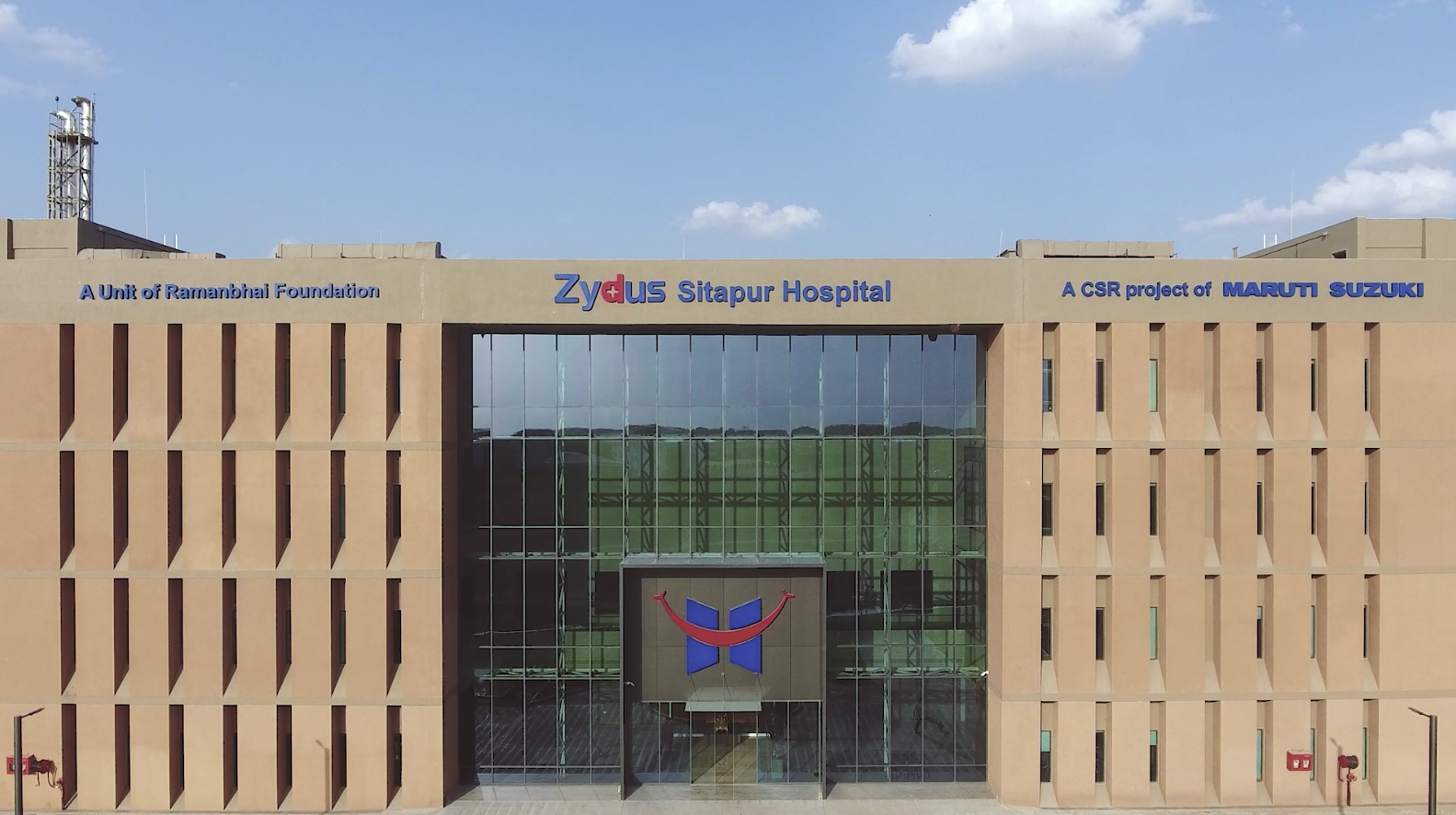
Infrastructure development is one of the most significant areas where CSR support for rural hospitals can create long-term impact. Many rural healthcare facilities operate in outdated or poorly constructed buildings that are unable to support modern medical practices. Through CSR funding for hospital infrastructure in India, companies can help build new hospitals, upgrade existing facilities, and create specialized units such as operation theaters, maternity wards, and diagnostic centers.
A well-developed infrastructure not only improves patient care but also attracts qualified healthcare professionals to rural areas. Doctors and nurses are more likely to work in facilities that are equipped with proper amenities, reliable electricity, and hygienic conditions. This makes infrastructure development a foundational step in strengthening rural healthcare systems.
CSR-funded infrastructure projects may include the construction of primary health centers, community hospitals, and specialized clinics. In addition, companies often support the renovation of existing facilities by improving sanitation, installing water supply systems, and ensuring proper waste management. These improvements significantly enhance the overall quality of healthcare services.
Another important aspect of infrastructure development is the establishment of diagnostic laboratories. Access to timely and accurate diagnostics is essential for effective treatment. By funding labs equipped with modern technology, CSR initiatives can reduce the need for patients to travel to urban centers for tests.
Furthermore, infrastructure projects often incorporate sustainable practices such as solar power systems, rainwater harvesting, and energy-efficient designs. These features not only reduce operational costs but also promote environmental sustainability.
For NGOs, infrastructure development projects offer a strong opportunity to secure CSR grants for hospitals in India, as companies prefer initiatives with visible and measurable impact. A well-planned infrastructure project with clear objectives, budget allocation, and expected outcomes can significantly increase the chances of funding approval.
In conclusion, infrastructure development is a cornerstone of rural healthcare CSR projects, providing the physical foundation needed to deliver quality medical services and improve health outcomes in underserved communities.
Medical Equipment Funding
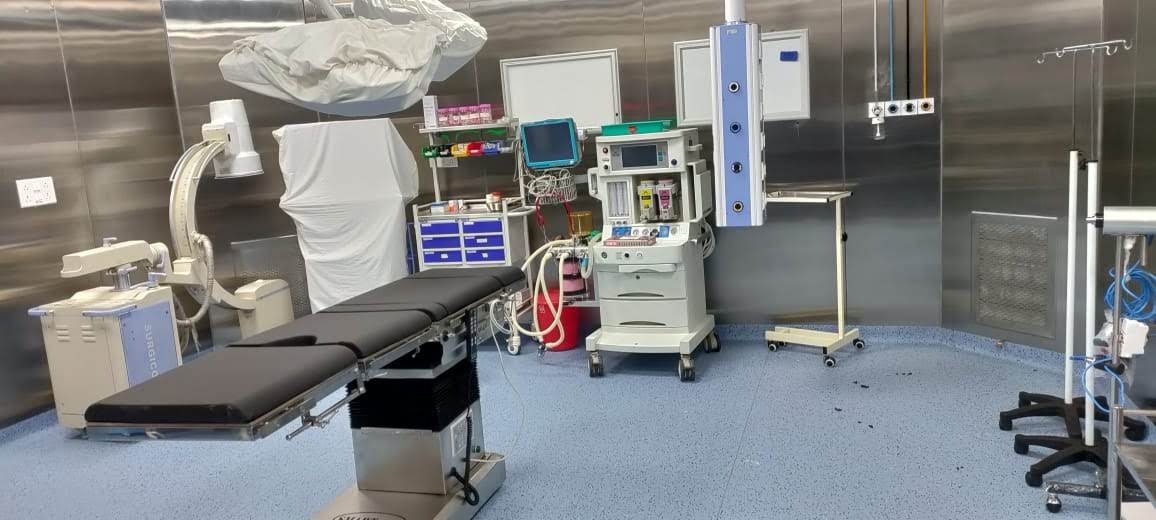
Medical equipment funding is another critical component of CSR support for rural hospitals. Without proper equipment, even the most skilled healthcare professionals are unable to provide effective treatment. Many rural hospitals lack essential devices such as diagnostic machines, ICU equipment, and surgical tools, which severely limits their capabilities.
Through CSR funding for hospital equipment in India, companies can bridge this gap by providing modern medical technology to rural healthcare facilities. This includes equipment such as ultrasound machines, X-ray units, ECG monitors, ventilators, and oxygen concentrators. These tools are essential for diagnosing and treating a wide range of medical conditions.
One of the key benefits of equipment funding is the immediate improvement in healthcare delivery. For example, the availability of ultrasound machines can significantly enhance maternal healthcare by enabling early detection of complications during pregnancy. Similarly, oxygen concentrators and ventilators are crucial for managing respiratory conditions, including emergencies.
CSR initiatives also support the procurement of portable medical equipment, which is particularly useful for mobile health units and outreach programs. Portable devices allow healthcare providers to deliver services in remote areas where traditional facilities are not available.
Another important aspect is the maintenance and training associated with medical equipment. Companies often include provisions for training healthcare staff on how to use the equipment effectively. This ensures that the investment delivers maximum impact and improves patient outcomes.
From an NGO perspective, projects focused on equipment funding are highly attractive to corporate donors because they offer clear, measurable results. By presenting a detailed list of required equipment, cost estimates, and expected impact, NGOs can increase their chances of securing CSR grants for rural hospitals.
In summary, medical equipment funding is a vital element of healthcare CSR in India, enabling rural hospitals to provide better diagnosis, treatment, and emergency care. It directly contributes to saving lives and improving the overall quality of healthcare services.
Mobile Medical Units
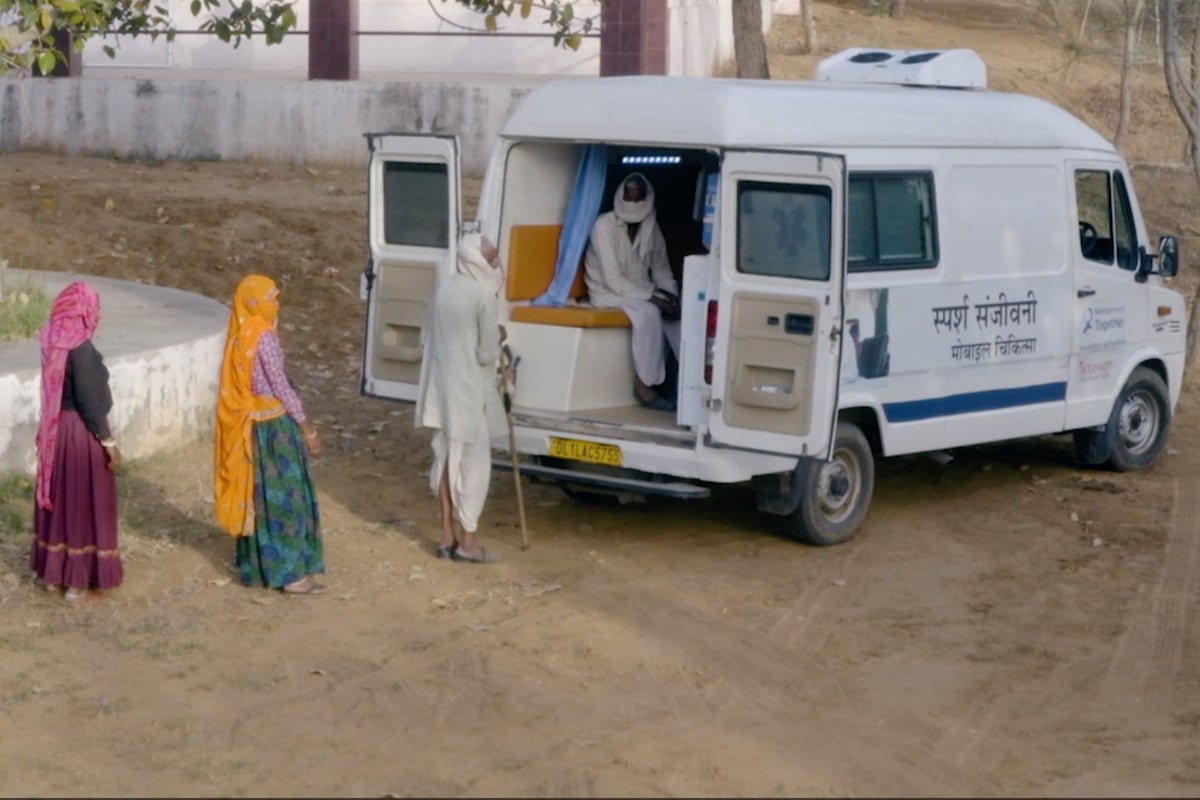
Mobile medical units (MMUs) are one of the most effective ways to deliver healthcare services in remote and underserved areas. These units, often referred to as “healthcare on wheels,” are equipped with essential medical equipment, medicines, and staffed by trained healthcare professionals. Through CSR support for mobile medical units in India, companies can ensure that even the most isolated communities have access to basic healthcare services.
One of the primary advantages of mobile medical units is their ability to overcome geographical barriers. In many rural regions, villages are located far from healthcare facilities, making it difficult for residents to seek timely medical attention. MMUs bring healthcare directly to these communities, reducing travel time and costs for patients.
CSR-funded mobile medical units typically offer a range of services, including general health check-ups, diagnostic tests, maternal and child healthcare, immunization, and treatment for common illnesses. Some advanced units are also equipped with telemedicine facilities, allowing patients to consult specialists remotely.
Another significant benefit of MMUs is their role in preventive healthcare. By conducting regular visits to villages, these units can identify health issues at an early stage and provide timely intervention. This helps reduce the burden of chronic diseases and improves overall community health.
Mobile medical units are also highly scalable and cost-effective. Compared to building permanent healthcare facilities, MMUs require lower initial investment and can cover multiple locations. This makes them an attractive option for companies looking to maximize the impact of their CSR funding for rural healthcare in India.
For NGOs, proposing mobile medical unit projects can be an excellent strategy to secure CSR funding. These projects align well with corporate objectives of reaching underserved populations and delivering measurable impact.
In conclusion, mobile medical units represent a dynamic and innovative approach to rural healthcare CSR projects, ensuring that quality healthcare services reach even the most remote corners of the country.
Digital Healthcare & Telemedicine
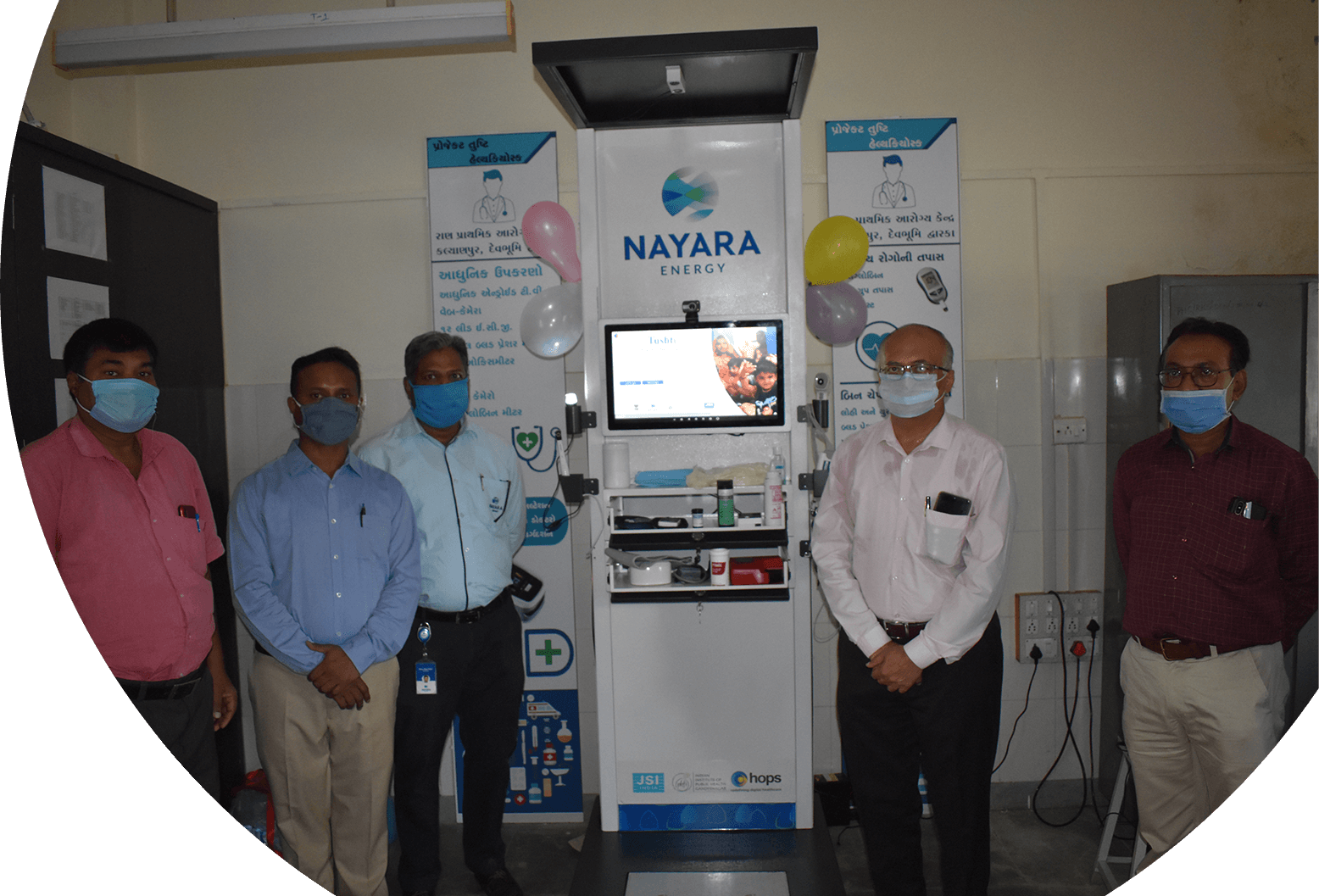
Digital healthcare and telemedicine are revolutionizing the way healthcare services are delivered in rural India. With advancements in technology, it is now possible to connect patients in remote areas with specialists located in urban centers. Through CSR funding for telemedicine in India, companies are playing a crucial role in expanding access to quality healthcare.
Telemedicine involves the use of digital platforms to provide remote consultations, diagnosis, and treatment. Patients can interact with doctors through video calls, reducing the need for physical travel. This is particularly beneficial in rural areas where access to specialists is limited.
CSR initiatives in digital healthcare often include the स्थापना of telemedicine centers, digital health kiosks, and mobile applications. These platforms are equipped with diagnostic tools and internet connectivity, enabling real-time communication between patients and healthcare providers.
One of the key advantages of telemedicine is its cost-effectiveness. By reducing the need for physical infrastructure and travel, it lowers healthcare costs for both providers and patients. Additionally, it allows for better resource utilization by connecting multiple locations to a single network of specialists.
Digital healthcare also plays a significant role in data management and disease monitoring. Electronic health records (EHRs) enable healthcare providers to track patient history, monitor treatment progress, and make informed decisions. This improves the overall quality of care and ensures continuity of treatment.
For NGOs, digital healthcare projects offer a promising opportunity to secure CSR grants for healthcare in India, as they align with the growing focus on technology-driven solutions. By presenting innovative and scalable models, NGOs can attract corporate funding and create sustainable healthcare systems.
In summary, digital healthcare and telemedicine are transforming rural healthcare in India, making it more accessible, efficient, and affordable. With continued CSR support, these technologies have the potential to bridge the gap between urban and rural healthcare systems.
Conclusion
CSR support for rural hospitals is a powerful tool for addressing healthcare disparities in India. By investing in infrastructure, equipment, mobile units, and digital solutions, companies can create a lasting impact on the lives of millions.
For NGOs and consultants, understanding how to align projects with corporate priorities is key to securing funding. With the right strategy, CSR funding for rural hospitals in India can be leveraged to build a stronger, more equitable healthcare system.