Healthcare CSR Funding in India
🏥 Introduction to Healthcare CSR Funding in India

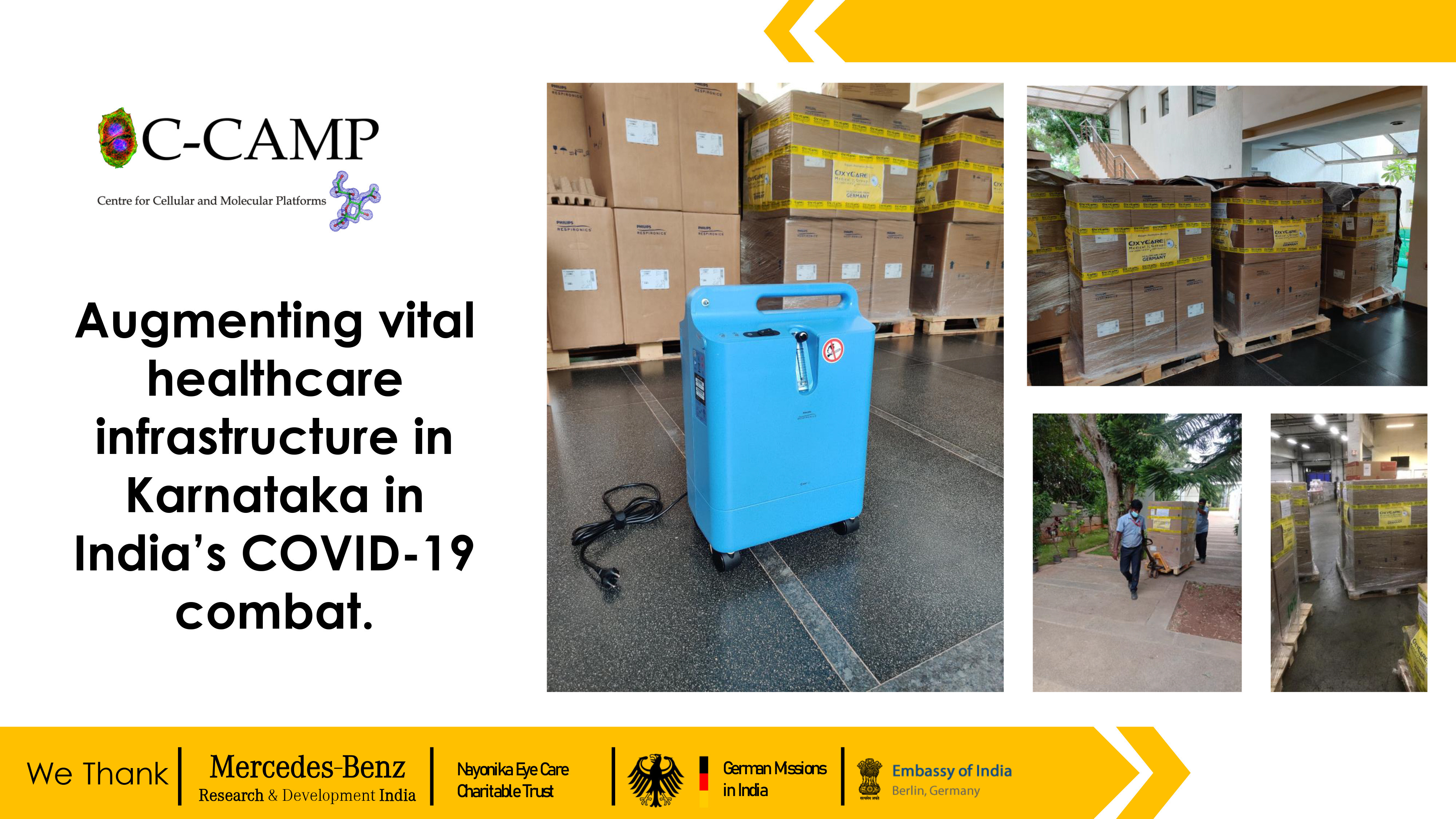

Healthcare CSR funding in India has emerged as one of the most impactful avenues for corporate contributions toward nation-building. With rising healthcare challenges, especially in rural and underserved regions, companies are increasingly investing their Corporate Social Responsibility (CSR) funds into health initiatives such as hospitals, mobile clinics, eye camps, and preventive healthcare programs.
India mandates eligible companies to spend 2% of their average net profits on CSR activities under the Companies Act, making CSR a powerful funding source for NGOs and healthcare institutions.
In recent years, healthcare has consistently received a large share of CSR budgets. In FY 2022–23 alone, ₹8,739 crore was spent on healthcare and sanitation, accounting for nearly 29% of total CSR spending.
This blog is a complete guide for NGOs, hospitals, and consultants looking to secure healthcare CSR funding in India.
📊 Overview of Healthcare CSR in India
Growth & Importance
- Healthcare receives ~27–29% of CSR funds in India
- CSR spending in India exceeds ₹35,000 crore annually
- Focus areas include:
- Hospital infrastructure
- Preventive healthcare
- Medical equipment donations
- Rural healthcare access
Why Companies Invest in Healthcare CSR
- High social impact
- Alignment with SDG 3 (Good Health & Well-being)
- Brand reputation & ESG compliance
- Government encouragement
🏢 Top Companies Providing Healthcare CSR Funding in India

4
Leading CSR Donors
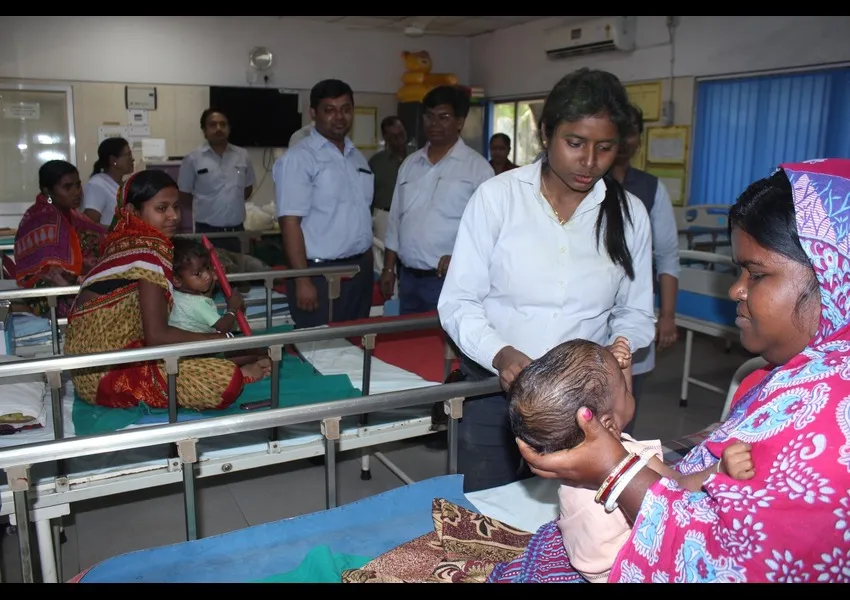
Some of the biggest contributors to healthcare CSR include:
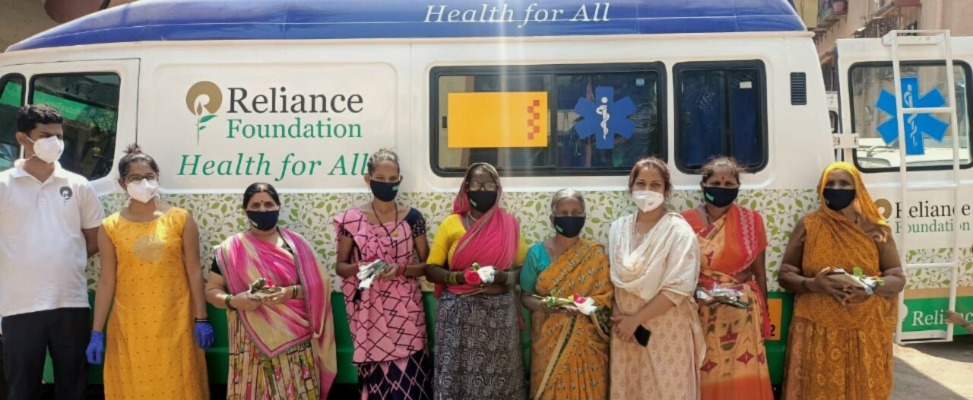
- Reliance Industries Limited
- Tata Group
- Infosys
- ICICI Bank
- HDFC Bank
- Cipla Limited
- Sun Pharma
- State Bank of India
These companies actively fund hospitals, health camps, and medical infrastructure projects.
For example:
- Reliance spent ₹743+ crore on CSR, impacting millions
- NMDC funded hospital infrastructure worth ₹8.33 crore
🏥 Types of Healthcare Projects Funded Under CSR
1. Hospital Infrastructure Development
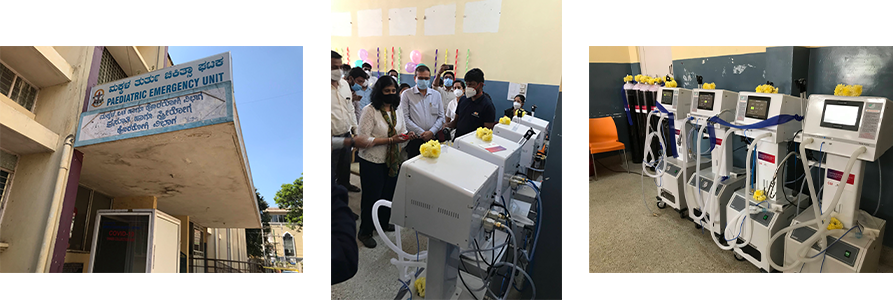


Companies fund:
- Hospital buildings
- ICU setups
- Operation theatres
- Medical equipment (CT scan, ventilators)
Example: CSR funds have supported hospitals with equipment and infrastructure upgrades across India.
2. Free Medical Camps & Health Checkups


Includes:
- Eye check-up camps
- Cataract surgeries
- General health screening
- Blood donation drives
Many CSR initiatives conduct preventive healthcare programs in rural areas.
3. Mobile Medical Units (MMU)
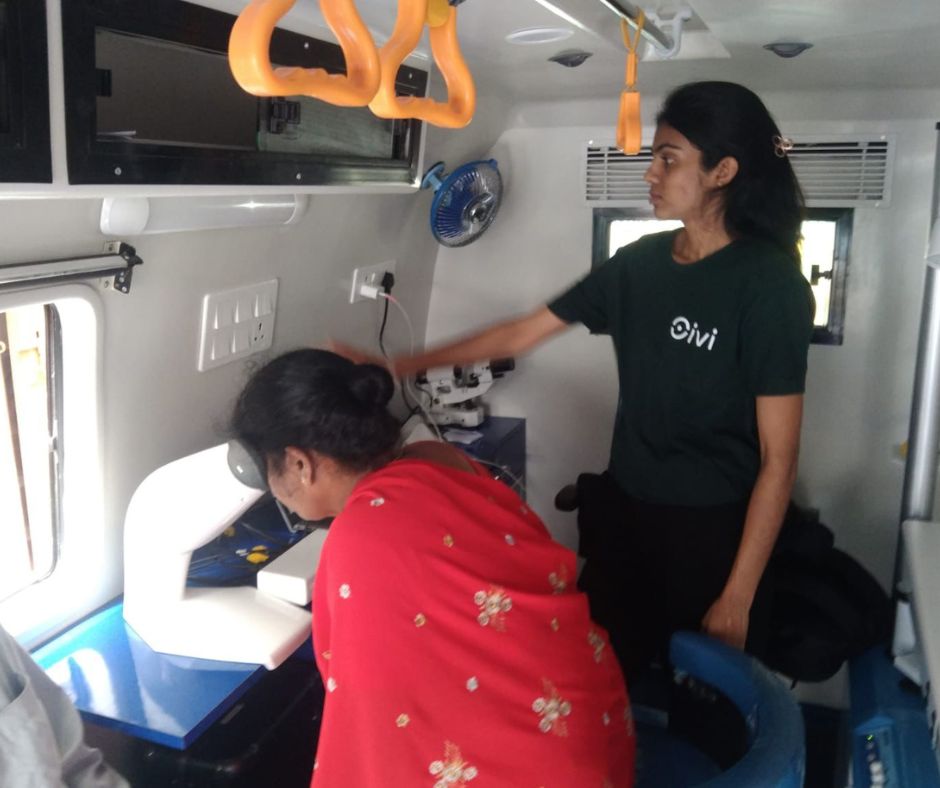

- Healthcare vans for remote areas
- Telemedicine services
- Doorstep diagnostics
4. Maternal & Child Healthcare Programs
- Nutrition programs
- Vaccination drives
- Antenatal care
CSR projects often collaborate with Anganwadi systems for implementation.
5. Disease-Specific Programs
- Cancer treatment support
- Diabetic screening clinics
- Tuberculosis awareness
Example: AI-based diabetic screening clinics funded through CSR.
6. Sanitation & Clean Water Projects
- Toilets in rural areas
- Drinking water systems
- Hygiene awareness
📑 How NGOs Can Apply for Healthcare CSR Funding
Step-by-Step Process
1. Ensure Eligibility
- CSR-1 Registration
- 12A & 80G Certification
- Minimum 3-year track record
2. Identify Target Companies
Use:
- CSR portals
- Annual reports
- Foundation websites
3. Prepare Proposal
Include:
- Project concept
- Budget
- Impact metrics
- Sustainability plan
4. Submit Proposal
- Email or CSR portal
- Follow company guidelines
5. Follow-Up & Presentation
- Regular follow-ups
- Proposal pitching
💰 High-Demand Healthcare CSR Project Ideas
Trending Fundable Ideas
- Mobile eye clinics
- Dialysis centers
- Cancer screening units
- Rural hospitals
- Digital health clinics
Innovative Ideas (High Approval Rate)
- AI healthcare screening
- Telemedicine hubs
- Solar-powered health centers
CSR innovation is growing with new models like Social Stock Exchange (SSE).
📈 CSR Healthcare Trends in India (2026)
Key Trends
- Preventive healthcare focus
- Technology integration
- Rural healthcare expansion
- Public-private partnerships
Example: Telangana aiming to build ₹2,500 crore CSR corpus for development including healthcare.
⚠️ Challenges in Healthcare CSR Funding
- Lack of awareness among NGOs
- Complex documentation
- Limited direct access to companies
- Monitoring & reporting requirements
🎯 How to Increase Chances of CSR Funding Approval
Proven Strategies
- Align with company CSR theme
- Show measurable impact
- Include scalability
- Use strong data & case studies
- Partner with credible NGOs
📊 CSR Proposal Sample Structure
- Executive Summary
- Problem Statement
- Project Objectives
- Implementation Plan
- Budget
- Expected Impact
- Monitoring & Evaluation
🔗 List of 50+ CSR Companies for Healthcare Funding (Sample)
- Reliance Industries
- Tata Trusts
- Infosys Foundation
- HDFC Bank
- ICICI Bank
- SBI Foundation
- Aditya Birla Group
- ITC Limited
- Hindustan Unilever
- Cipla Foundation
(100+ companies actively fund NGOs in India)
📢 Benefits of Healthcare CSR Funding
For Companies
- Brand reputation
- ESG compliance
- Tax benefits
For NGOs
- Large funding support
- Long-term partnerships
For Society
- Improved healthcare access
- Reduced mortality
- Better quality of life
❓ FAQ 1: What is healthcare CSR funding in India?
Healthcare CSR funding in India refers to the financial contributions made by eligible companies toward healthcare-related projects as part of their Corporate Social Responsibility (CSR) obligations under the Companies Act, 2013. According to this law, companies meeting certain financial thresholds—such as a net worth of ₹500 crore, turnover of ₹1000 crore, or net profit of ₹5 crore—must spend at least 2% of their average net profits from the past three years on CSR activities.
Healthcare is one of the most prioritized sectors under CSR because it directly impacts public welfare and aligns with national development goals. Companies invest in a wide range of healthcare initiatives, including hospital infrastructure development, medical equipment donations, mobile medical units, free health camps, sanitation projects, and disease prevention programs.
The importance of healthcare CSR funding becomes even more evident in a country like India, where rural and underserved populations often lack access to quality healthcare services. CSR funding helps bridge this gap by enabling NGOs and healthcare institutions to deliver services such as eye screenings, maternal care, cancer treatment support, and telemedicine.
Moreover, healthcare CSR initiatives align with global frameworks like the United Nations Sustainable Development Goals (SDGs), particularly SDG 3, which focuses on ensuring healthy lives and promoting well-being for all.
Another key aspect of healthcare CSR funding is its role in strengthening public-private partnerships. Companies collaborate with NGOs, government bodies, and hospitals to implement large-scale health interventions. This collaborative approach enhances efficiency, accountability, and impact.
For NGOs, healthcare CSR funding provides an opportunity to scale operations, improve infrastructure, and reach more beneficiaries. However, accessing these funds requires compliance with regulations such as CSR-1 registration, 12A and 80G certification, and a proven track record.
In summary, healthcare CSR funding in India is a powerful mechanism that combines corporate resources with social objectives to improve healthcare access, infrastructure, and outcomes across the country.
❓ FAQ 2: How can NGOs apply for healthcare CSR funding in India?
Applying for healthcare CSR funding in India involves a structured and strategic approach. NGOs must first ensure they meet the eligibility criteria set by the Ministry of Corporate Affairs. This includes having CSR-1 registration, valid 12A and 80G certificates, and at least three years of operational experience in social development activities.
The first step in the application process is identifying the right companies that align with the NGO’s healthcare objectives. This can be done by analyzing CSR reports, company websites, and CSR portals to understand their focus areas and past projects.
Once target companies are identified, NGOs need to prepare a compelling project proposal. A strong proposal should include a clear problem statement, project objectives, implementation plan, budget breakdown, expected outcomes, and monitoring mechanisms. It should also highlight the organization’s experience, past achievements, and capacity to execute the project effectively.
Customization is crucial when submitting proposals. Each company has its own CSR priorities, so NGOs should tailor their proposals to align with the company’s vision and goals. Generic proposals are less likely to be considered.
Submission methods vary depending on the company. Some organizations accept proposals through their CSR portals, while others require email submissions or direct contact with CSR teams. NGOs should carefully follow the submission guidelines provided by each company.
After submission, follow-up plays a critical role. NGOs should maintain professional communication with CSR representatives, provide additional information if requested, and be prepared to present their proposals in meetings or presentations.
Building relationships is another key factor in securing CSR funding. Networking through platforms like LinkedIn, CSR events, and industry conferences can help NGOs connect with decision-makers and increase their chances of approval.
Transparency and accountability are essential throughout the process. NGOs must maintain proper documentation, financial records, and impact reports to build trust with corporate partners.
In conclusion, applying for healthcare CSR funding requires preparation, research, customization, and consistent follow-up. NGOs that adopt a strategic approach and demonstrate measurable impact are more likely to secure funding.
❓ FAQ 3: Which companies provide CSR funding for healthcare in India?
Several leading companies in India actively provide CSR funding for healthcare initiatives. These organizations allocate a significant portion of their CSR budgets to projects that improve healthcare access, infrastructure, and outcomes.
Reliance Industries Limited is one of the largest contributors to healthcare CSR in India. Through its foundation, the company supports hospitals, mobile medical units, and large-scale health programs across the country. Tata Group, through Tata Trusts, has been instrumental in funding cancer care centers, rural health programs, and medical research initiatives.
Infosys Foundation is another major player, focusing on hospital infrastructure, equipment donations, and healthcare accessibility. Similarly, HDFC Bank and ICICI Bank support a wide range of healthcare projects, including sanitation, rural health camps, and emergency medical services.
Pharmaceutical companies like Cipla Limited and Sun Pharma are also heavily involved in healthcare CSR. They fund disease-specific programs, such as cancer treatment, HIV/AIDS awareness, and respiratory care initiatives.
Public sector organizations, including State Bank of India (SBI), ONGC, and NTPC, contribute significantly to healthcare CSR. These companies often focus on rural healthcare, mobile clinics, and government hospital support.
The selection of CSR partners depends on several factors, including the company’s CSR policy, geographical focus, and thematic priorities. Some companies prefer to work with established NGOs, while others are open to new partnerships.
To identify potential donors, NGOs can refer to CSR databases, annual reports, and government portals. Understanding each company’s CSR strategy is essential for aligning proposals effectively.
In addition to large corporations, many mid-sized companies also contribute to healthcare CSR. These organizations may have smaller budgets but are often more flexible in their funding approach.
In summary, India has a diverse ecosystem of companies providing healthcare CSR funding. NGOs that research and target the right organizations based on alignment and priorities can significantly improve their chances of securing support.
❓ FAQ 4: What types of healthcare projects are funded under CSR?
Healthcare CSR funding in India supports a wide variety of projects aimed at improving public health and healthcare infrastructure. These projects address both preventive and curative aspects of healthcare, ensuring comprehensive support for communities.
One of the most common areas of funding is hospital infrastructure development. Companies invest in building new hospitals, upgrading existing facilities, and providing advanced medical equipment such as ventilators, MRI machines, and ICU setups.
Free medical camps are another popular CSR initiative. These camps provide essential health services, including general check-ups, eye screenings, dental care, and diagnostic tests, especially in rural and underserved areas.
Mobile medical units (MMUs) play a crucial role in reaching remote populations. These units are equipped with medical staff and diagnostic tools, enabling them to deliver healthcare services directly to communities with limited access to hospitals.
Maternal and child healthcare programs are also widely funded. These initiatives focus on improving nutrition, reducing maternal mortality, and ensuring proper care for infants and children.
Disease-specific programs, such as cancer treatment, tuberculosis control, and diabetes management, receive significant CSR support. Companies often collaborate with specialized healthcare institutions to implement these programs effectively.
Sanitation and clean water projects are integral to healthcare CSR. These initiatives aim to prevent diseases by improving hygiene and access to safe drinking water.
Telemedicine and digital health solutions are emerging trends in CSR funding. These technologies enable remote consultations, diagnostics, and monitoring, making healthcare more accessible and efficient.
In addition, CSR funds are used for health awareness campaigns, training healthcare workers, and supporting emergency response systems.
In conclusion, healthcare CSR projects in India cover a broad spectrum of initiatives, from infrastructure development to innovative digital solutions. NGOs can choose projects that align with their expertise and community needs to maximize impact and funding opportunities.
❓ FAQ 5: What are the eligibility criteria for NGOs to receive CSR funding?
To receive healthcare CSR funding in India, NGOs must meet specific eligibility criteria established by the Ministry of Corporate Affairs (MCA). These requirements ensure transparency, accountability, and effective utilization of funds.
The most important requirement is CSR-1 registration. NGOs must register with the MCA by filing Form CSR-1, which provides them with a unique registration number. This is mandatory for receiving CSR funds from companies.
In addition, NGOs must have valid 12A and 80G certifications under the Income Tax Act. These certifications ensure that the organization is recognized as a charitable entity and that donors can claim tax benefits.
A minimum of three years of operational experience is generally required. Companies prefer NGOs with a proven track record of successfully implementing projects and delivering measurable impact.
NGOs must also have a well-defined governance structure, including a board of directors or trustees. Proper financial management systems and audited financial statements are essential to demonstrate credibility.
Transparency is a key factor in eligibility. NGOs must maintain accurate records of their activities, expenditures, and outcomes. Regular reporting and compliance with legal requirements are crucial for building trust with corporate partners.
Another important criterion is alignment with CSR objectives. NGOs should focus on activities listed under Schedule VII of the Companies Act, which includes healthcare, education, environmental sustainability, and more.
Geographical presence and local understanding can also influence eligibility. Companies often prefer NGOs that have experience working in the target area and understand the specific needs of the community.
In some cases, partnerships with other organizations or government bodies can enhance eligibility. Collaborative projects are often more scalable and impactful.
In summary, NGOs must meet legal, financial, and operational requirements to qualify for CSR funding. Organizations that demonstrate transparency, experience, and alignment with corporate goals are more likely to secure support.
❓ FAQ 6: How much CSR funding is allocated to healthcare in India?
Healthcare is one of the largest recipients of CSR funding in India. On average, it accounts for approximately 27–29% of the total CSR expenditure by companies. This makes healthcare the second-largest sector after education in terms of CSR allocation.
In recent years, India’s total CSR spending has exceeded ₹35,000 crore annually. Out of this, a significant portion—often over ₹8,000 crore—is directed toward healthcare and sanitation initiatives.
The allocation of CSR funds to healthcare has increased due to rising awareness of public health challenges and the need for improved healthcare infrastructure. Events such as the COVID-19 pandemic further highlighted the importance of investing in healthcare systems.
Large corporations contribute the majority of healthcare CSR funds. Companies like Reliance Industries, Tata Group, and Infosys allocate substantial budgets to healthcare projects, including hospital development, medical research, and emergency response.
Public sector undertakings (PSUs) also play a major role in healthcare CSR. Organizations like ONGC, NTPC, and SBI invest heavily in rural healthcare, mobile clinics, and sanitation programs.
The distribution of funds varies across regions. States with higher industrial activity, such as Maharashtra, Gujarat, and Karnataka, tend to receive more CSR funding. However, there is a growing focus on directing funds to underserved regions in the northeast and rural areas.
Healthcare CSR funding is not limited to infrastructure. A significant portion is allocated to preventive healthcare, awareness campaigns, and digital health solutions.
In addition, companies are increasingly adopting outcome-based funding models, where the impact of projects is measured and evaluated. This ensures that funds are used effectively and deliver tangible results.
In conclusion, healthcare receives a substantial share of CSR funding in India, reflecting its importance in national development. The increasing allocation of funds presents significant opportunities for NGOs and healthcare institutions.
❓ FAQ 7: What are the latest trends in healthcare CSR funding in India?
Healthcare CSR funding in India is evolving rapidly, driven by technological advancements, policy changes, and shifting corporate priorities. One of the most significant trends is the growing focus on preventive healthcare. Companies are investing in initiatives that promote early detection and prevention of diseases, reducing the overall burden on healthcare systems.
Digital health and telemedicine are transforming the way CSR projects are implemented. Companies are funding platforms that enable remote consultations, diagnostics, and patient monitoring, especially in rural areas where access to healthcare is limited.
Another emerging trend is the integration of artificial intelligence (AI) in healthcare CSR. AI-powered tools are being used for disease screening, data analysis, and improving diagnostic accuracy.
Public-private partnerships (PPPs) are becoming more common. Companies are collaborating with government agencies and NGOs to implement large-scale healthcare projects. This approach enhances efficiency and ensures better resource utilization.
There is also a growing emphasis on sustainability. CSR projects are increasingly designed to be self-sustaining, with long-term impact rather than short-term interventions.
Employee engagement is another trend in CSR. Companies are encouraging their employees to participate in healthcare initiatives, such as volunteering in medical camps and awareness programs.
Geographical diversification is also evident. Companies are expanding their CSR activities to underserved regions, including tribal and remote areas.
In addition, there is a shift toward outcome-based funding, where the success of projects is measured through specific metrics and indicators.
In summary, healthcare CSR funding in India is becoming more innovative, technology-driven, and impact-focused. NGOs that adapt to these trends can enhance their chances of securing funding and delivering meaningful results.
❓ FAQ 8: What challenges do NGOs face in getting healthcare CSR funding?
Despite the availability of substantial CSR funds, NGOs often face several challenges in securing healthcare CSR funding in India. One of the primary challenges is the lack of awareness about CSR opportunities and processes. Many NGOs are not familiar with the requirements and strategies needed to approach corporate donors effectively.
Documentation and compliance requirements can be complex. NGOs must obtain CSR-1 registration, maintain proper financial records, and adhere to legal guidelines. This can be particularly challenging for smaller organizations with limited resources.
Another major challenge is competition. A large number of NGOs are seeking CSR funding, making it difficult to stand out. Companies often receive numerous proposals, and only a few are selected.
Access to decision-makers is another barrier. NGOs may find it difficult to connect with CSR heads or corporate representatives, especially in large organizations.
Lack of professional proposal writing skills can also hinder funding opportunities. Many NGOs struggle to present their ideas in a structured and compelling manner.
Monitoring and reporting requirements add another layer of complexity. Companies expect regular updates, impact assessments, and transparency, which can be resource-intensive.
Geographical limitations can also affect funding. NGOs operating in less-developed regions may face challenges in attracting corporate interest.
In addition, alignment with corporate priorities is crucial. NGOs must ensure that their projects match the company’s CSR focus areas, which may not always align with their own objectives.
In conclusion, NGOs face multiple challenges in securing healthcare CSR funding. However, with proper planning, capacity building, and strategic networking, these challenges can be overcome.
❓ FAQ 9: How can NGOs increase their chances of getting CSR funding?
NGOs can significantly improve their chances of securing healthcare CSR funding by adopting a strategic and professional approach. One of the most important factors is aligning their projects with the CSR priorities of target companies. Understanding the company’s focus areas and tailoring proposals accordingly can increase the likelihood of approval.
A well-structured and compelling proposal is essential. NGOs should clearly define the problem, objectives, implementation plan, and expected outcomes. Including data, case studies, and impact metrics can strengthen the proposal.
Building a strong organizational profile is also important. NGOs should highlight their experience, achievements, and capacity to execute projects effectively. A credible track record can instill confidence in corporate donors.
Networking plays a crucial role in securing CSR funding. NGOs should actively participate in CSR events, conferences, and online platforms to connect with potential donors.
Transparency and accountability are key factors. Maintaining proper documentation, financial records, and impact reports can build trust with corporate partners.
Collaboration with other organizations can enhance the scale and impact of projects. Partnerships with government agencies, hospitals, and other NGOs can make proposals more attractive.
Regular follow-up is another important strategy. NGOs should maintain communication with CSR teams and provide updates on their proposals.
Leveraging digital platforms and social media can also help in showcasing impact and reaching a wider audience.
In summary, NGOs can increase their chances of getting CSR funding by focusing on alignment, professionalism, networking, and transparency.
❓ FAQ 10: What is the future of healthcare CSR funding in India?
The future of healthcare CSR funding in India looks promising, with increasing corporate participation and evolving strategies. As healthcare continues to be a priority sector, companies are expected to allocate more funds toward innovative and impactful projects.
Technology will play a major role in shaping the future of healthcare CSR. Digital health solutions, telemedicine, and AI-driven diagnostics will become more prevalent, enabling efficient and scalable interventions.
There will be a greater focus on preventive healthcare and wellness. Companies are likely to invest in programs that promote healthy lifestyles and early detection of diseases.
Sustainability will be a key consideration. CSR projects will be designed to deliver long-term impact and self-sufficiency.
Collaboration will continue to grow, with more partnerships between corporates, NGOs, and government agencies. This will enhance the scale and effectiveness of healthcare initiatives.
Outcome-based funding models will become more common, with a focus on measurable results and impact.
In addition, there will be increased emphasis on underserved regions, ensuring equitable distribution of healthcare resources.
In conclusion, the future of healthcare CSR funding in India is dynamic and full of opportunities. NGOs that embrace innovation, collaboration, and accountability will be well-positioned to benefit from this growing sector.