CSR Grants for Hospitals in India: Complete Funding Guide (2026)
Overview of CSR Grants for Hospitals
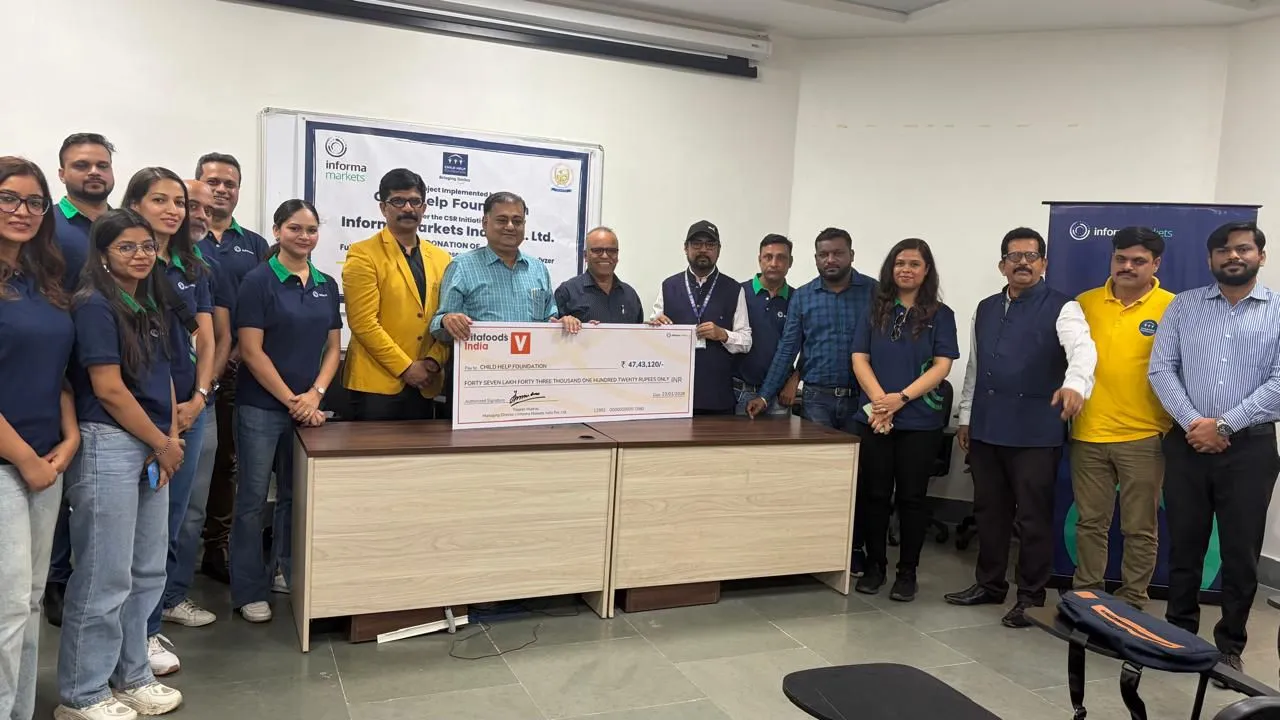
CSR (Corporate Social Responsibility) grants are one of the largest and most reliable funding sources for hospitals and NGOs in India. Under the Companies Act, 2013, eligible companies must spend 2% of their average net profit on CSR activities, with healthcare being a top priority sector.
These grants are widely used to:
- Build or upgrade hospitals
- Fund free or subsidized treatments
- Provide medical equipment
- Run outreach programs like health camps
Top CSR Grant Providers for Hospitals in India
1. Major Corporate CSR Donors
Leading companies actively fund hospital projects:
- Tata Group
- Reliance Industries
- Infosys
- ICICI Bank
- Sun Pharma
- ONGC
- Indian Oil
These companies consistently invest in healthcare CSR initiatives to improve access and infrastructure
👉 Many companies prefer long-term hospital partnerships and scalable projects.
2. Pharma & Healthcare Companies
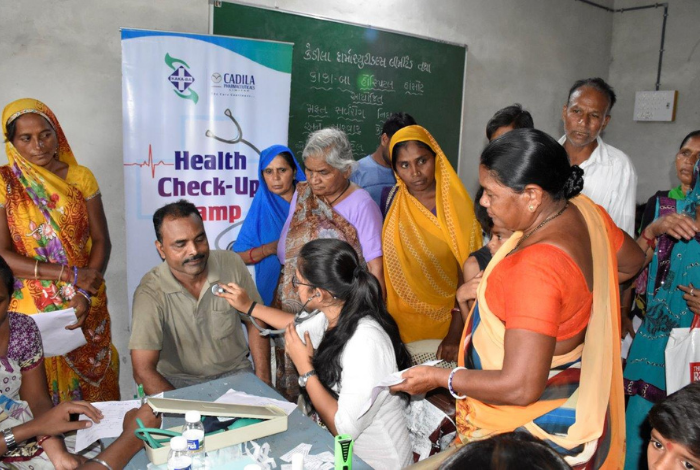
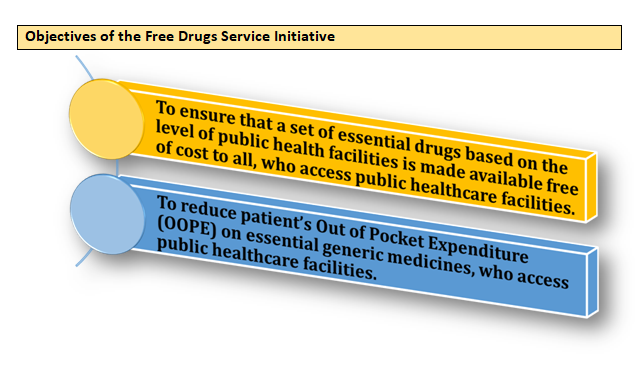
Pharma companies are highly active in hospital CSR:
- Pfizer India – cancer care, AMR programs
- Sun Pharma – healthcare access initiatives
- P&G Health – SEHAT healthcare program
👉 They often fund:
- Free medicines
- Diagnostic programs
- Disease-specific hospitals
3. Public Sector Companies (PSUs)
PSUs are among the biggest CSR spenders in India:
- NMDC funded ₹8.33 crore for hospital infrastructure
- Indian Oil has spent ₹3,900+ crore on CSR projects
👉 Focus areas:
- Government hospital upgrades
- Medical equipment
- Rural healthcare
Types of Hospital Projects That Get CSR Grants
4
High-Funding Projects:
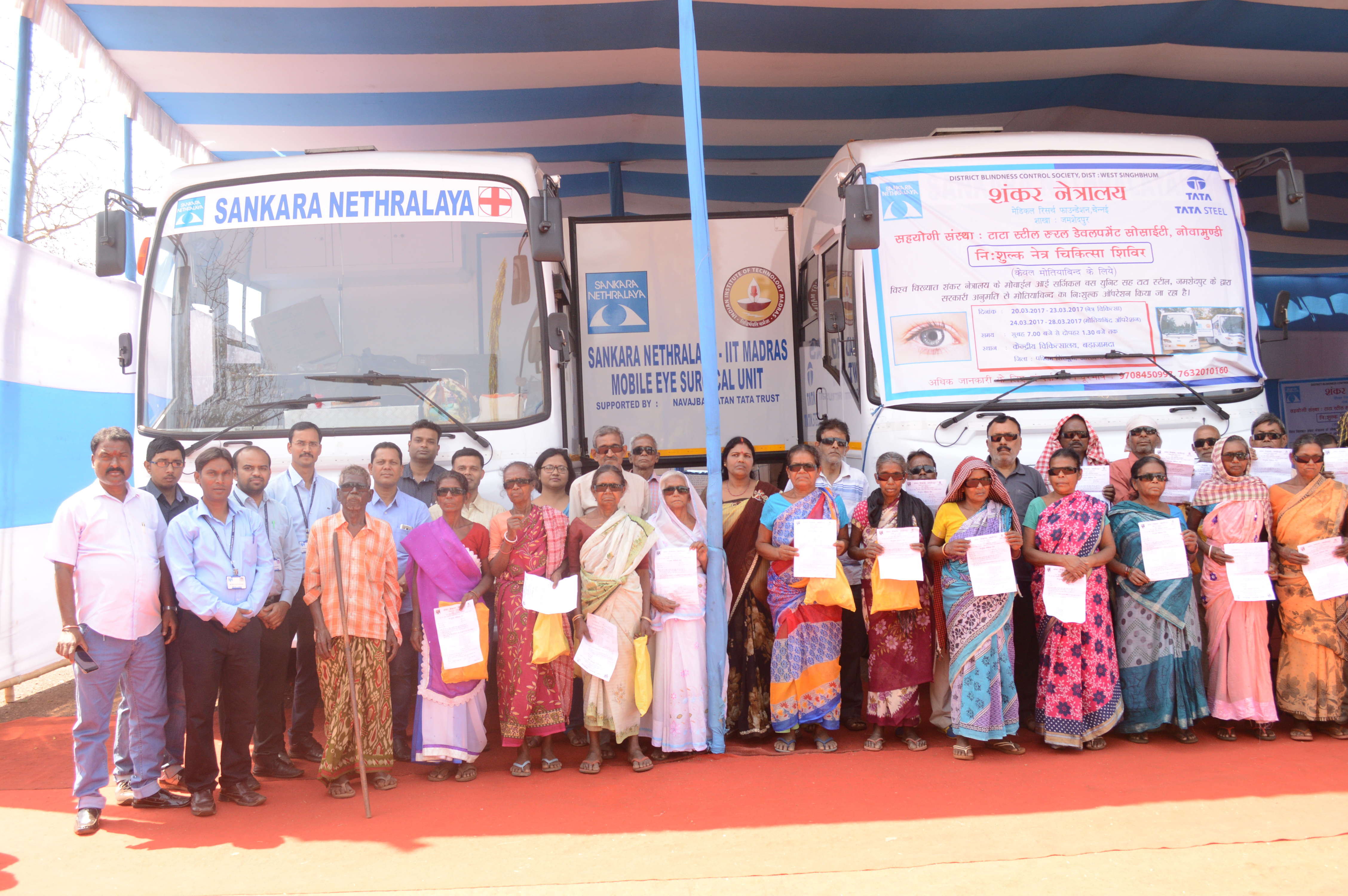
- Cataract surgery programs
- Dialysis centers
- Cancer treatment support
- ICU & ventilator setup
- Mobile medical vans
- Maternal & child health units
👉 Projects with measurable impact and large beneficiary reach get faster approval.
CSR Grant Amount for Hospitals
Typical funding ranges:
| Project Type | CSR Funding Range |
|---|---|
| Medical equipment | ₹10 lakh – ₹1 crore |
| Hospital construction | ₹50 lakh – ₹10 crore |
| Free surgery programs | ₹25 lakh – ₹5 crore |
| Mobile health units | ₹20 lakh – ₹1 crore |
👉 Example: Hospitals receiving ₹50 lakh+ CSR funds for surgeries and infrastructure are common
Eligibility for CSR Hospital Grants
To receive CSR funding, hospitals/NGOs must have:
- Registered NGO / Trust / Section 8 Company
- CSR-1 Registration (mandatory)
- 12A and 80G certification
- Strong track record
- Transparent financial reports
How to Apply for CSR Grants for Hospitals
Step-by-Step Process
1. Prepare a Strong Proposal
Include:
- Project details
- Budget
- Beneficiary numbers
- Impact metrics
2. Identify the Right Companies
Target:
- CSR portals
- Annual CSR reports
- LinkedIn CSR heads
👉 Example: Companies like Reliance require proposal submission and screening before approval
3. Submit CSR Proposal
Methods:
- Email to CSR departments
- CSR portals
- NGO partnerships
4. Due Diligence & Approval
Companies check:
- Legal compliance
- Financial transparency
- Impact potential
5. Implementation & Reporting
- Quarterly reports
- Fund utilization proof
- Impact documentation
Documents Required
- NGO Registration Certificate
- PAN Card
- CSR-1 Form
- 12A & 80G Certificates
- FCRA (if foreign funds)
- Audited Financial Statements
- Detailed Project Proposal
Key Strategies to Get CSR Funding FAST
1. Focus on High-Impact Projects
CSR prefers projects with:
- Large patient coverage
- Measurable outcomes
2. Build Corporate Relationships
- LinkedIn networking
- CSR events
- Direct meetings
3. Partner with Established NGOs
New organizations can collaborate to gain credibility.
4. Show Proof of Impact
Use:
- Patient case studies
- Photos/videos
- Reports
Challenges in Getting CSR Grants
- High competition
- Strict compliance
- Delayed approvals
- Heavy documentation
👉 Still, healthcare remains one of the most funded CSR sectors in India due to its direct social impact
Future of CSR Funding for Hospitals


Future trends include:
- AI-based diagnostics
- Telemedicine hospitals
- Preventive healthcare programs
- Digital health infrastructure
👉 CSR funding will continue growing, especially in rural and underserved healthcare sectors.
1. How can hospitals get CSR funding in India?
Hospitals in India can access CSR (Corporate Social Responsibility) funding by following a structured and compliance-driven approach. CSR funding is governed by the Companies Act, 2013, which mandates eligible companies to spend at least 2% of their average net profits on social development activities, including healthcare. This makes hospitals—especially charitable and NGO-run institutions—highly eligible for such grants.
The first and most critical step is ensuring legal eligibility. Hospitals must be registered as a Trust, Society, or Section 8 Company. Additionally, they must obtain essential certifications such as 12A and 80G under the Income Tax Act, which provide tax exemptions and incentives to donors. A mandatory requirement for CSR funding is CSR-1 registration, which enables NGOs to receive CSR funds legally. If the hospital plans to receive foreign donations, FCRA registration is also required.
Once compliance is in place, the next step is to prepare a compelling CSR proposal. This document should clearly outline the project’s objective, such as setting up a dialysis unit, funding free surgeries, or building a rural hospital. It must include a detailed budget, expected outcomes, timeline, and the number of beneficiaries. Companies prefer projects with measurable impact, so including data-driven projections and past success stories significantly improves approval chances.
Identifying the right companies is equally important. Hospitals should target organizations that actively invest in healthcare CSR initiatives. This can be done by reviewing CSR reports, visiting company websites, or networking through platforms like LinkedIn. Direct outreach through emails or CSR portals is a common method of submission.
After submission, companies conduct due diligence to verify the hospital’s credibility, financial transparency, and impact potential. If approved, funds are disbursed in phases, and hospitals must provide regular progress and utilization reports.
To increase success rates, hospitals should focus on high-impact, scalable projects such as mobile medical units, cancer care programs, or maternal health initiatives. Building long-term relationships with corporate donors and maintaining transparency in reporting can also lead to recurring funding.
In summary, securing CSR funding requires a combination of compliance, strategic planning, effective communication, and strong impact demonstration. Hospitals that align their projects with corporate priorities and social needs have a higher chance of receiving sustained financial support.
2. Which companies give CSR grants for hospitals?
Several large corporations in India actively provide CSR grants for hospitals, as healthcare is one of the most prioritized sectors under CSR regulations. These companies span across industries such as oil and gas, IT, banking, pharmaceuticals, and manufacturing, and they allocate significant budgets annually to healthcare initiatives.
Among the most prominent contributors are major conglomerates and corporate groups. Companies like Tata Group and Reliance Industries have consistently invested in building hospitals, funding cancer treatment programs, and supporting rural healthcare initiatives. Their CSR arms often focus on large-scale, high-impact projects that benefit thousands of patients.
Information technology companies such as Infosys and Wipro are also key players in healthcare CSR. They frequently support hospital infrastructure development, digital health solutions, and community health programs. Banking institutions like ICICI Bank and HDFC Bank contribute through funding medical equipment, supporting mobile health units, and sponsoring treatment for underprivileged patients.
Public Sector Undertakings (PSUs) are among the largest CSR spenders in India. Organizations such as ONGC, Indian Oil Corporation, and NTPC regularly fund hospital construction, provide advanced medical equipment, and support government healthcare programs. These companies often collaborate with NGOs and government bodies to implement large-scale healthcare projects.
Pharmaceutical companies are particularly active in hospital-related CSR initiatives. Firms like Sun Pharma, Cipla, and Dr. Reddy’s Laboratories focus on disease-specific programs such as cancer care, HIV treatment, and access to affordable medicines. They also fund diagnostic centers and awareness campaigns.
In addition to these, multinational corporations and foundations also contribute significantly. Many global companies operating in India allocate CSR funds to healthcare projects, especially those aligned with Sustainable Development Goals (SDGs).
To identify the right companies, hospitals should analyze CSR annual reports, which detail sector-wise spending and preferred project types. Platforms like CSRBOX and company websites also provide insights into ongoing CSR initiatives. Networking through LinkedIn and attending CSR events can help establish direct connections with decision-makers.
It is important to note that each company has its own CSR policy and thematic focus. Therefore, hospitals must align their proposals with the company’s priorities to increase the chances of approval. For example, a company focusing on rural development is more likely to fund mobile health units or rural hospitals.
In conclusion, a wide range of companies offer CSR grants for hospitals in India. By targeting the right organizations and aligning project goals with corporate CSR strategies, hospitals can secure substantial and long-term funding.
3. What types of hospital projects are funded?
CSR funding for hospitals in India is primarily directed toward projects that create measurable social impact, improve healthcare accessibility, and address critical medical needs. Companies prefer initiatives that benefit a large number of people, especially underserved populations in rural and semi-urban areas.
One of the most commonly funded categories is infrastructure development. This includes building new hospitals, expanding existing facilities, and setting up specialized units such as intensive care units (ICUs), neonatal care units, and operation theaters. Infrastructure projects often receive large funding amounts due to their long-term impact.
Another major area is medical equipment funding. CSR grants are frequently used to procure essential and advanced equipment such as ventilators, dialysis machines, X-ray systems, and MRI scanners. These investments significantly enhance the hospital’s capacity to provide quality care.
Free and subsidized treatment programs are also highly favored. These include cataract surgeries, cancer treatment support, cardiac surgeries, and dialysis services for economically weaker sections. Such programs are attractive to CSR donors because they deliver immediate and measurable outcomes.
Mobile medical units and health camps are among the most fundable projects, especially in rural areas. These initiatives bring healthcare services directly to communities that lack access to hospitals. Services often include general check-ups, diagnostic tests, eye screenings, and distribution of medicines.
Maternal and child health programs receive strong CSR support due to their alignment with national and global health priorities. Projects focusing on prenatal care, child nutrition, immunization, and safe deliveries are widely funded.
Disease-specific programs are another key category. CSR funds are often allocated to initiatives targeting diseases such as tuberculosis, diabetes, cancer, and eye disorders. These programs may include awareness campaigns, screening drives, and treatment support.
In recent years, there has been a growing interest in digital healthcare and telemedicine projects. Companies are funding technology-driven solutions that improve healthcare access in remote areas, including teleconsultation platforms and AI-based diagnostics.
To maximize funding opportunities, hospitals should design projects that are scalable, sustainable, and aligned with CSR priorities. Including clear metrics such as the number of beneficiaries, expected outcomes, and cost-effectiveness can significantly improve the chances of approval.
In summary, CSR funding is available for a wide range of hospital projects, but those with high impact, scalability, and clear outcomes are most likely to receive support.
4. Is CSR funding available for new hospitals?
Yes, CSR funding is available for new hospitals in India, but securing it can be more challenging compared to established institutions. Companies typically prefer to fund organizations with a proven track record, as this reduces risk and ensures effective utilization of funds. However, new hospitals can still access CSR grants by adopting the right strategies.
The first step for new hospitals is to ensure complete legal compliance. This includes registration as a Trust, Society, or Section 8 Company, along with obtaining 12A and 80G certifications. CSR-1 registration is mandatory for receiving CSR funds. Without these, companies will not consider funding proposals.
Since new hospitals may lack operational history, they must focus on building credibility. One effective approach is to partner with experienced NGOs or healthcare organizations. Such collaborations can strengthen the proposal and provide assurance to CSR donors regarding project execution.
Another important factor is the project design. New hospitals should focus on high-impact and clearly defined projects rather than large, complex initiatives. For example, setting up a dialysis unit, running a free health camp program, or establishing a maternal health clinic can be more attractive than proposing a full-scale hospital construction project.
A strong and detailed proposal is crucial. It should clearly explain the need for the project, the target population, expected outcomes, and a transparent budget. Including data, research, and case studies can help build trust and demonstrate seriousness.
New hospitals should also actively engage in networking and outreach. Connecting with CSR heads through LinkedIn, attending CSR events, and directly approaching companies can open opportunities. Many companies are willing to support innovative and impactful projects, even from new organizations.
Transparency and accountability are key. Hospitals must be prepared to provide regular updates, financial reports, and impact assessments. Demonstrating a commitment to ethical practices and proper fund utilization can help build long-term relationships with donors.
Additionally, new hospitals can explore alternative funding sources such as crowdfunding, individual donations, and government grants to supplement CSR funding. This diversified approach reduces dependency on a single source and improves financial stability.
In conclusion, while it may be more challenging, new hospitals can successfully secure CSR funding by focusing on compliance, credibility, strategic partnerships, and well-designed projects. With persistence and the right approach, they can build trust and attract long-term support from corporate donors.
5. How long does CSR funding approval take?
The timeline for CSR funding approval in India typically ranges from 3 to 6 months, although it can vary depending on several factors such as the company’s internal processes, the complexity of the project, and the completeness of the proposal.
The process begins with the submission of a CSR proposal. Once received, the company’s CSR team conducts an initial review to assess whether the project aligns with their CSR policy and focus areas. This stage usually takes a few weeks.
If the proposal passes the initial screening, it moves to the due diligence phase. During this stage, the company verifies the hospital’s legal compliance, financial records, and operational credibility. They may request additional documents such as audited financial statements, registration certificates, and past project reports. This step is crucial and can take several weeks to complete.
Following due diligence, the proposal is presented to the CSR committee or board of directors for approval. This is often the most time-consuming stage, as it depends on meeting schedules and internal decision-making processes. Large companies may have multiple levels of approval, which can extend the timeline.
Once approved, a formal agreement or Memorandum of Understanding (MoU) is signed between the company and the hospital. This document outlines the project scope, funding amount, timelines, and reporting requirements.
Fund disbursement usually occurs in phases rather than a lump sum. The first installment is released after signing the agreement, while subsequent payments are linked to project milestones and progress reports.
Several factors can influence the approval timeline. Well-prepared proposals with clear objectives, detailed budgets, and strong impact metrics are processed faster. Incomplete documentation or lack of compliance can lead to delays or rejection.
To speed up the process, hospitals should ensure all required documents are ready, maintain transparency, and respond promptly to company queries. Building relationships with CSR teams can also help in faster communication and decision-making.
In summary, while the average CSR funding approval process takes 3–6 months, it can be shorter or longer depending on the project and company. Proper preparation, compliance, and proactive communication can significantly reduce delays and improve approval chances.