Grasim Industries Ltd CSR Activities – Education, Rural Development & Community Empowerment
Introduction
Grasim Industries Limited is one of India’s leading diversified companies and a flagship company of the Aditya Birla Group. Established in 1947, Grasim Industries operates across sectors such as viscose staple fibre, chemicals, cement, textiles, and financial services.
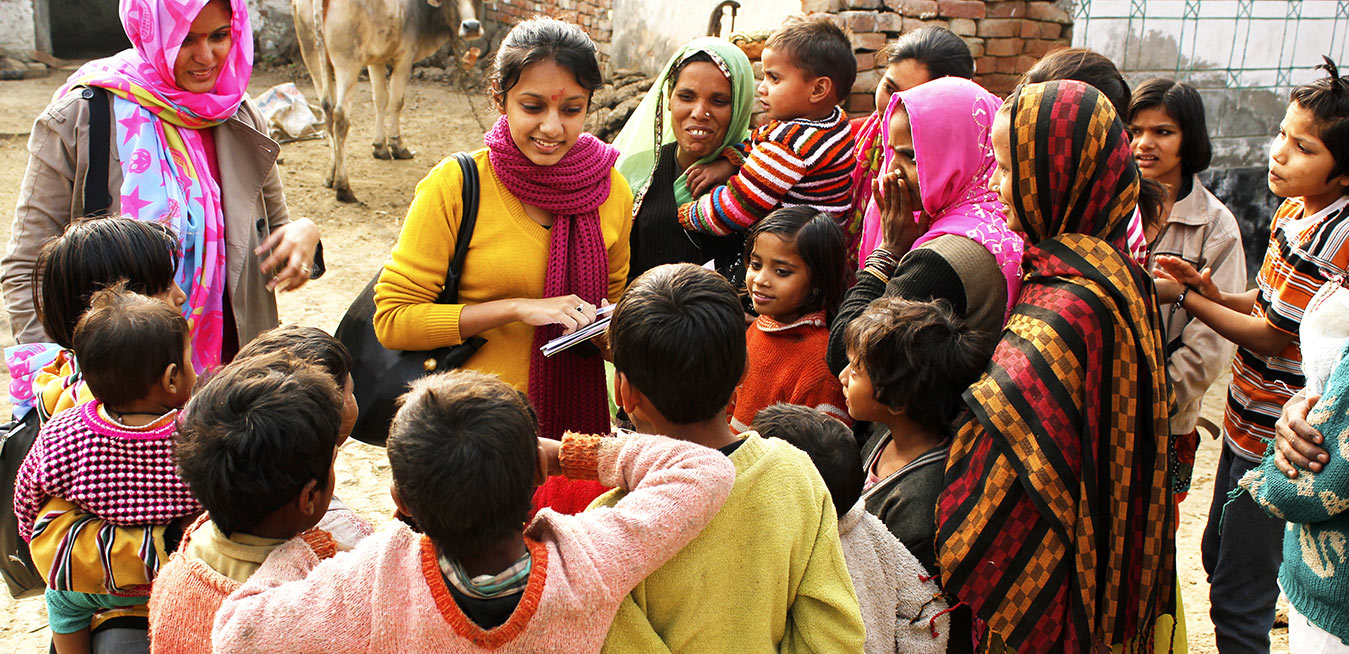
Beyond its strong industrial presence, Grasim Industries is also deeply committed to Corporate Social Responsibility (CSR). The company actively invests in community development initiatives that aim to improve the lives of people in rural and underserved regions.
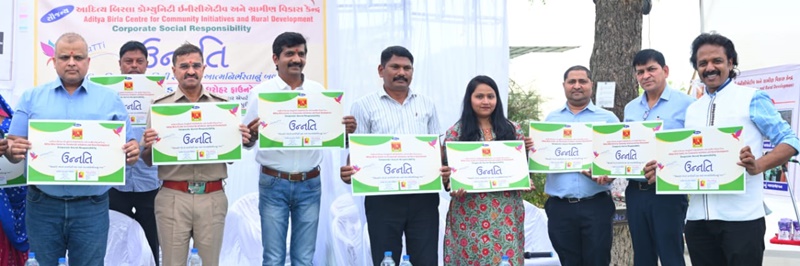
Most CSR initiatives are implemented through the Aditya Birla Centre for Community Initiatives and Rural Development, which works extensively across villages located near the company’s manufacturing facilities.
Grasim Industries CSR programs focus on education, healthcare, sustainable livelihoods, women empowerment, rural infrastructure development, and environmental sustainability.
This article provides a complete SEO-friendly overview of Grasim Industries CSR activities, major programs, initiatives, and how NGOs can collaborate with the Aditya Birla Group for CSR projects.
Overview of Grasim Industries CSR Policy
Grasim Industries follows the CSR provisions under the Companies Act 2013, which requires companies meeting certain financial criteria to spend at least 2% of their average net profits on CSR activities.
The company adopts a village development approach, focusing on improving the overall quality of life in communities located around its operations.
Key Objectives of Grasim Industries CSR
- Improve education access in rural communities
- Strengthen healthcare infrastructure
- Promote sustainable livelihoods and skill development
- Empower women and marginalized groups
- Support environmental sustainability initiatives
The Aditya Birla Group currently runs community development programs in thousands of villages across India.
Major Focus Areas of Grasim Industries CSR Activities
1. Education Development Programs

4
Education is one of the most important focus areas of Grasim Industries CSR programs.
Key Educational Programs
School Infrastructure Development
Grasim supports the development of educational infrastructure including:
- Construction of classrooms
- School buildings and hostels
- Libraries and laboratories
- Digital classrooms
Scholarship Programs
Scholarships are provided to students from economically disadvantaged backgrounds.
Digital Education Initiatives
Technology-based learning tools help improve learning outcomes in rural schools.
These initiatives help provide quality education to children in rural communities.
Healthcare CSR Initiatives
4
Healthcare development is a major component of Grasim Industries CSR initiatives.
Major Healthcare Programs
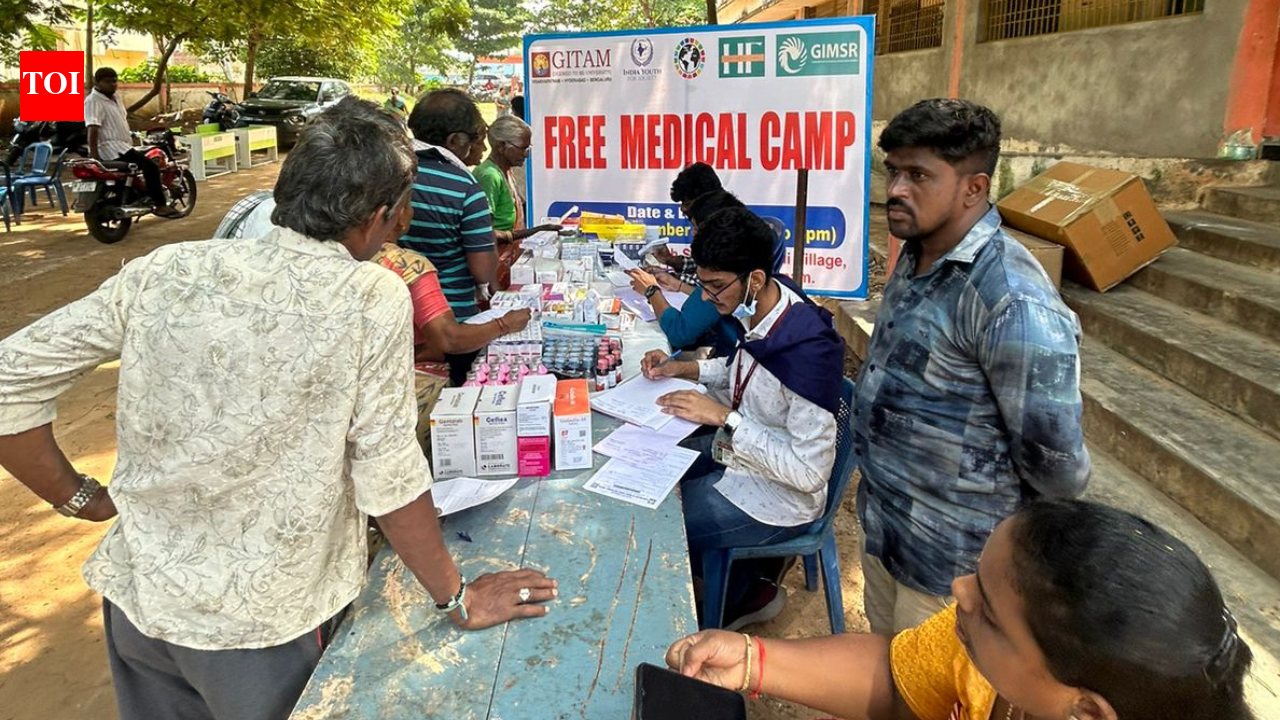
Free Medical Camps
Medical camps provide services such as:
- General health checkups
- Eye examinations
- Dental care
- Maternal and child health services
Mobile Medical Units
Healthcare vans provide medical services in remote villages.
Hospital Infrastructure Development
Grasim supports healthcare centers by providing medical equipment and infrastructure.
Livelihood and Skill Development Programs
4
Livelihood generation is a core focus of Grasim Industries CSR initiatives.
Key Programs
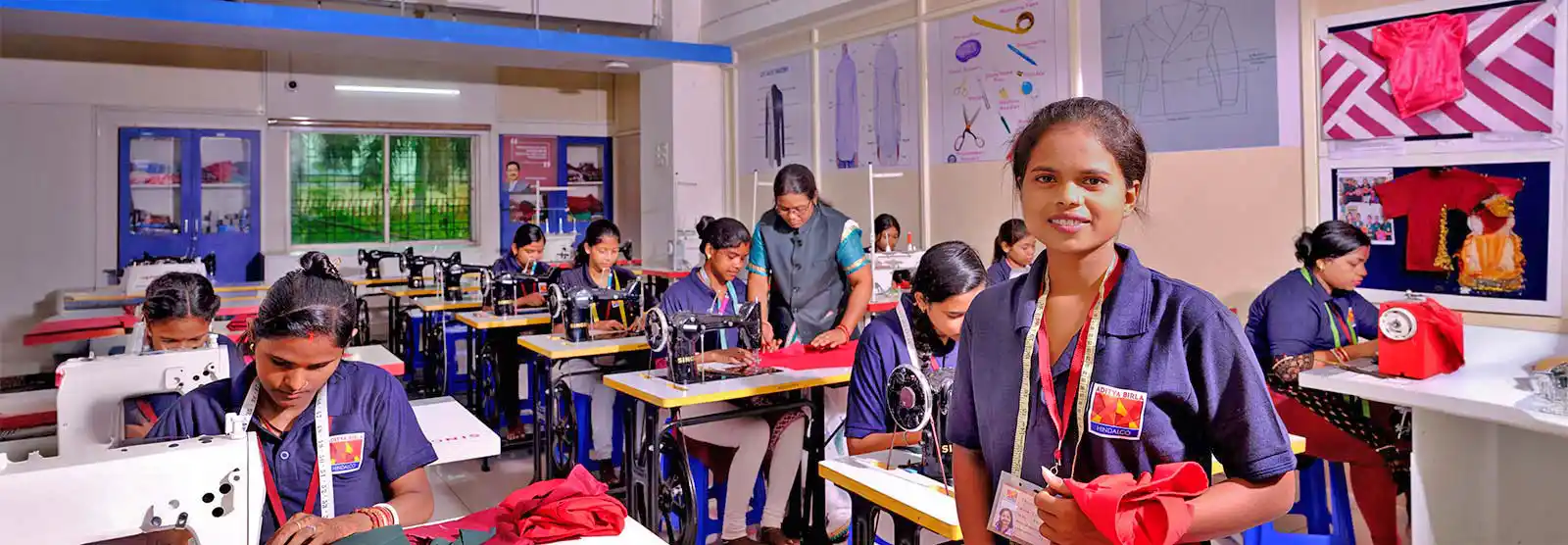
Vocational Training Programs
Youth receive training in various skills such as:
- Electrical work
- Mechanical skills
- Computer training
- Textile and handicraft skills
Entrepreneurship Development
Programs support individuals in starting small businesses.
Support for Self Help Groups
Women are organized into Self Help Groups and provided training to start income-generating activities.
These initiatives help improve economic opportunities in rural communities.
Women Empowerment Programs
4
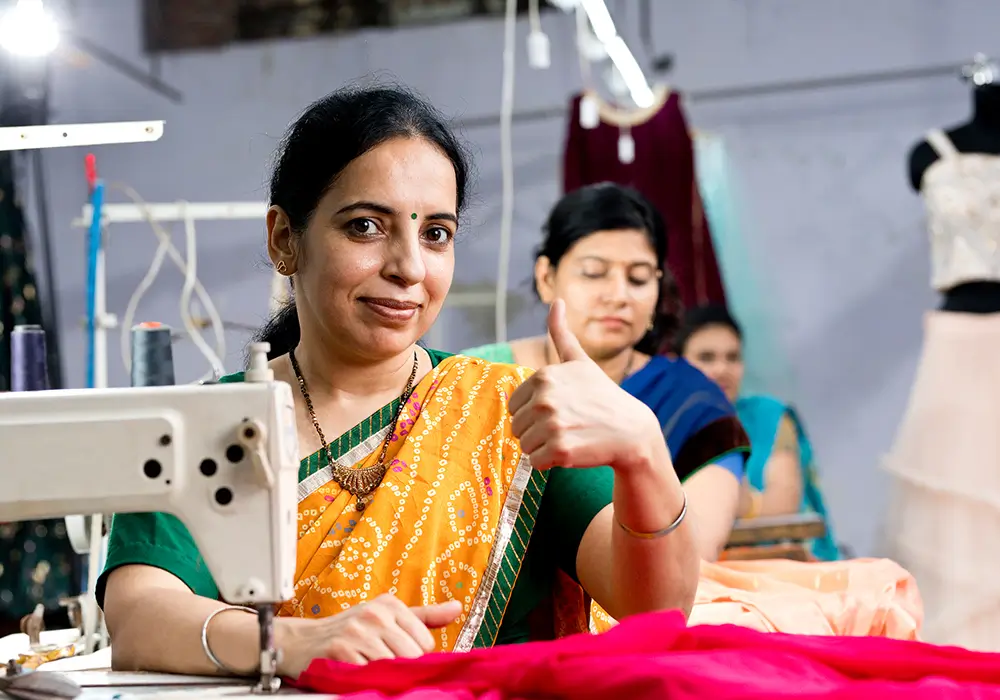
Grasim Industries runs several initiatives focused on empowering women.
Key Initiatives
- Skill development training for women
- Formation of Self Help Groups (SHGs)
- Microenterprise development programs
- Financial literacy initiatives
These programs help women achieve economic independence.
Rural Infrastructure Development Programs
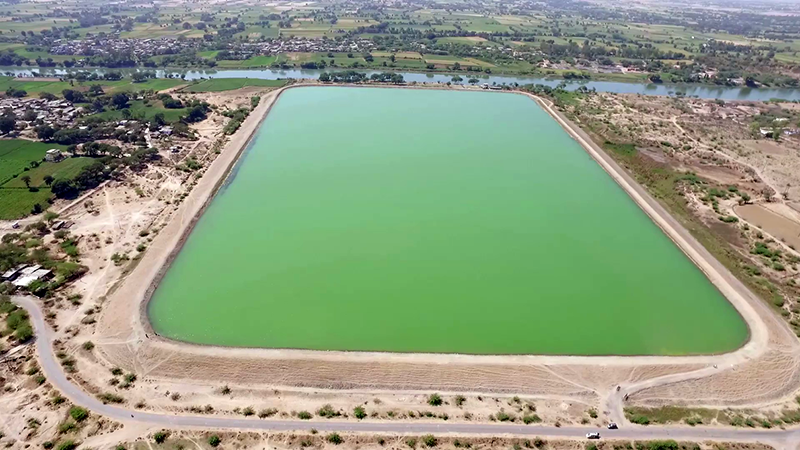
Grasim Industries supports several rural infrastructure development initiatives.
Major Projects
- Drinking water supply systems
- Sanitation and hygiene programs
- Village roads and infrastructure development
- Community halls and public facilities
These projects improve living conditions in rural communities.
Environmental Sustainability Initiatives
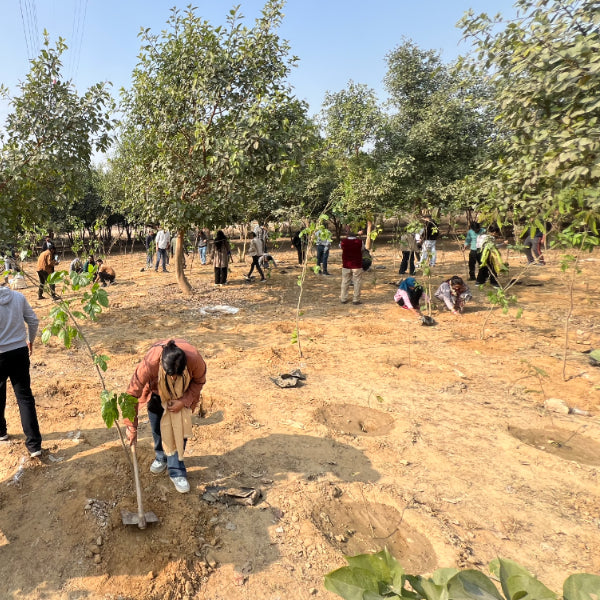
Environmental sustainability is an important priority for Grasim Industries.
Key Environmental Programs
Tree Plantation Drives
Large-scale plantation programs promote ecological balance.
Water Conservation Projects
Rainwater harvesting and watershed management initiatives improve water availability.
Green Manufacturing
Grasim promotes environmentally responsible manufacturing practices.
Environmental Awareness Programs
Communities are educated about environmental protection.
Disaster Relief Initiatives
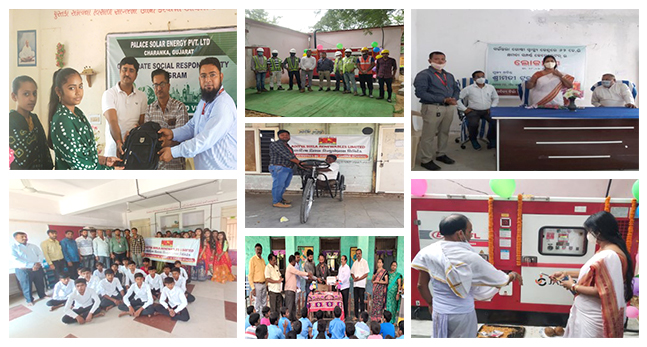
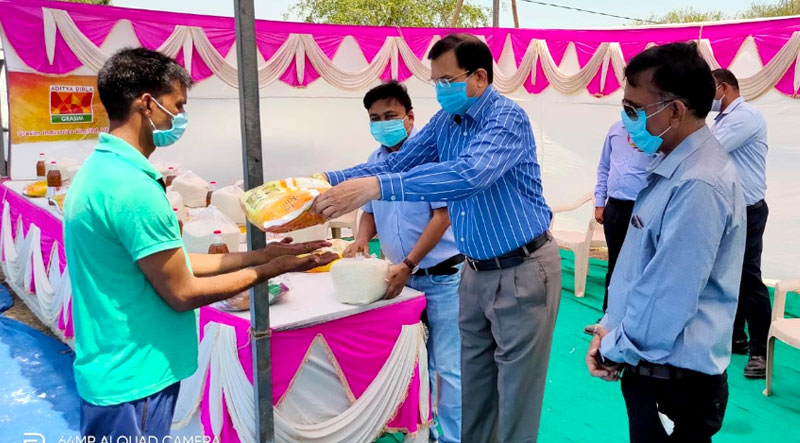
Grasim Industries also contributes to disaster relief and humanitarian assistance.
Key Activities
- Financial assistance for disaster relief
- Distribution of food and essential supplies
- Community rehabilitation programs
- Infrastructure reconstruction support
Impact of Grasim Industries CSR Activities
Grasim Industries CSR initiatives have created significant positive impact in rural communities.
Key Achievements
- Improved education infrastructure in rural regions
- Strengthened healthcare services in villages
- Created livelihood opportunities through skill training
- Empowered women through self-help groups
- Promoted environmental sustainability initiatives
Future CSR Vision of Grasim Industries
Grasim Industries aims to expand its CSR initiatives with a focus on sustainable development.
Future priorities include:
- Expansion of education initiatives
- Advanced skill development programs
- Environmental sustainability projects
- Rural infrastructure development
- Stronger partnerships with NGOs
These initiatives align with the United Nations Sustainable Development Goals (SDGs).
How NGOs Can Collaborate with Grasim Industries CSR
NGOs and nonprofit organizations can collaborate with Grasim Industries through the Aditya Birla Centre for Community Initiatives and Rural Development.
Eligibility Criteria
Organizations must:
- Be registered as Trust / Society / Section 8 Company
- Have minimum 3 years of operational experience
- Possess 12A and 80G certification
- Have experience implementing social development programs
Documents Required
Typical documents include:
- NGO registration certificate
- PAN card
- 12A and 80G certificates
- Detailed CSR project proposal
- NGO profile and past project experience
- Audited financial statements
Application Process
- Prepare a CSR project proposal aligned with Grasim CSR priorities
- Submit the proposal to the Aditya Birla CSR team
- Proposal evaluation and due diligence
- Approval and partnership agreement
- Project implementation and monitoring
Conclusion
Grasim Industries Limited continues to play a vital role in promoting sustainable social development.
Through the initiatives of the Aditya Birla Centre for Community Initiatives and Rural Development, the company implements impactful CSR programs in education, healthcare, livelihood development, women empowerment, environmental sustainability, and rural infrastructure development.
These initiatives help build stronger and more resilient communities across India.