Apollo Hospitals Enterprise Ltd CSR Activities – Healthcare Outreach, Education & Community Development
Introduction
Apollo Hospitals Enterprise Limited is one of India’s largest and most trusted healthcare providers. Founded in 1983 by Dr. Prathap C. Reddy, the organization pioneered private healthcare in India and has since built a vast network of hospitals, clinics, diagnostic centers, and telemedicine facilities across the country and internationally.
Beyond its healthcare services, Apollo Hospitals is deeply committed to Corporate Social Responsibility (CSR) and community welfare. The organization believes that healthcare is a fundamental human right and works toward improving access to quality medical services for underserved populations.
Most CSR initiatives of Apollo Hospitals are implemented through the Apollo Hospitals Foundation, which focuses on public health awareness, preventive healthcare, education, rural healthcare outreach, women and child health, and environmental sustainability.
Through these initiatives, Apollo Hospitals strives to create a healthier society and improve the quality of life for communities across India.
This article provides a complete SEO-friendly overview of Apollo Hospitals CSR activities, major programs, and opportunities for NGOs to collaborate with Apollo Hospitals for CSR initiatives.
CSR Philosophy of Apollo Hospitals
Apollo Hospitals follows a patient-centered philosophy that extends beyond hospital care to community health improvement.
The organization’s CSR programs focus on addressing critical healthcare challenges in India, including:
- Limited access to healthcare in rural areas
- Lack of awareness about preventive healthcare
- Rising burden of lifestyle diseases
- Need for improved maternal and child healthcare
Apollo Hospitals aims to build sustainable healthcare ecosystems by supporting community-based health programs and public health initiatives.
CSR activities are carried out in accordance with the Companies Act 2013, which requires eligible companies to allocate at least 2% of their average net profits toward CSR initiatives.
Major Focus Areas of Apollo Hospitals CSR Activities
1. Community Healthcare Outreach Programs
Healthcare outreach programs form the backbone of Apollo Hospitals’ CSR strategy.
These programs aim to deliver healthcare services directly to communities that lack adequate medical facilities.
Free Medical Camps
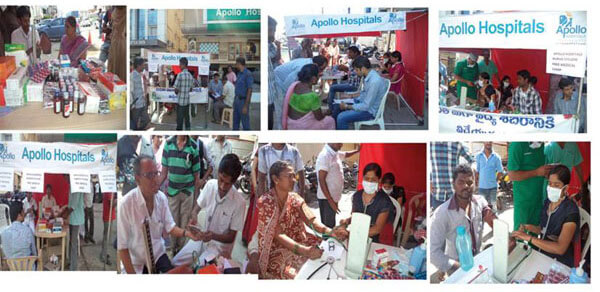
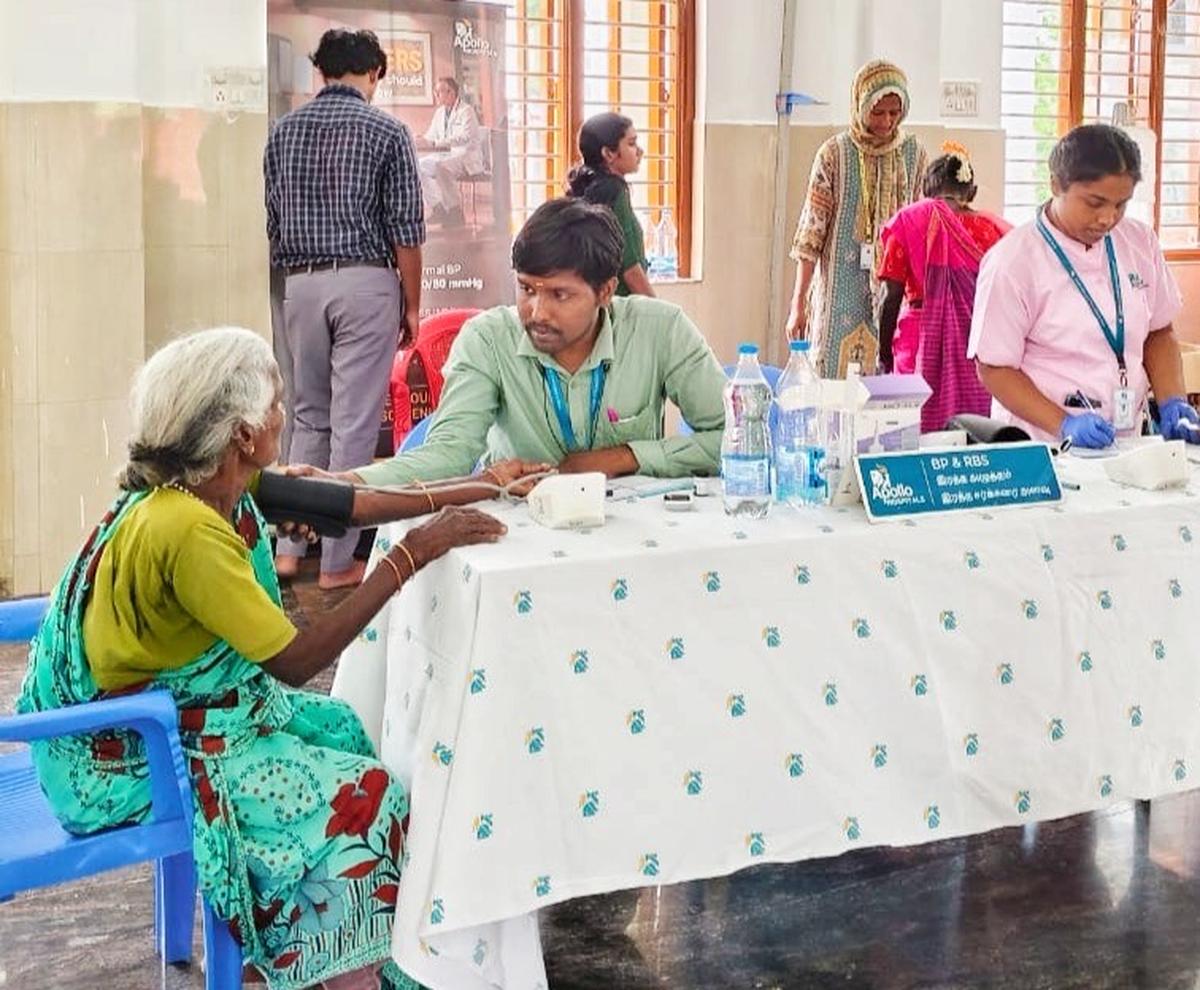
Apollo Hospitals organizes large numbers of free medical camps across rural and underserved regions.
These camps offer services such as:
- General health checkups
- Eye screenings
- Dental examinations
- Diabetes testing
- Blood pressure monitoring
Patients who require advanced treatment are referred to Apollo Hospitals for further care.
Mobile Healthcare Units
Apollo Hospitals operates mobile healthcare units that travel to remote communities and provide medical services.
Mobile clinics provide:
- Basic diagnostic services
- Preventive healthcare consultations
- Distribution of medicines
- Health awareness education
These services help bridge the gap between rural populations and healthcare systems.
Telemedicine and Digital Healthcare Initiatives
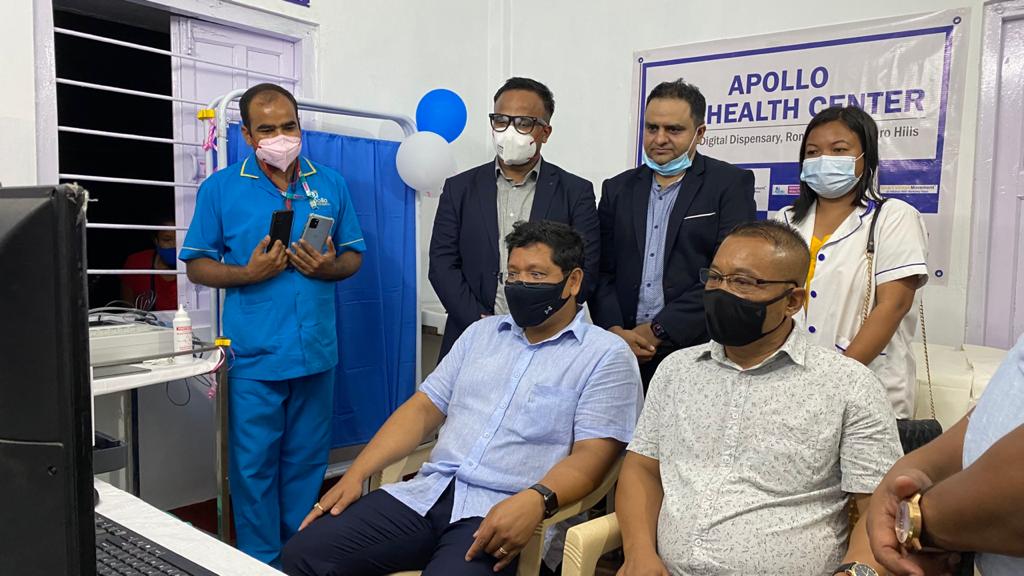
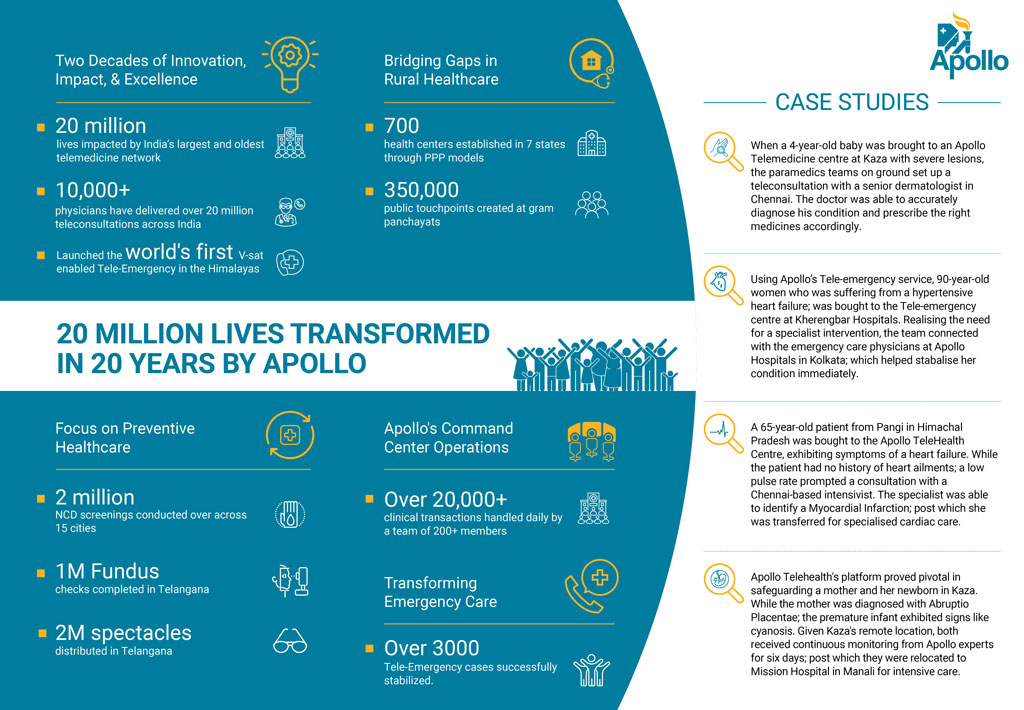
Apollo Hospitals is a pioneer in telemedicine and digital healthcare solutions.
Through telemedicine programs, patients in remote locations can consult specialists without traveling long distances.
Telemedicine Services
Apollo’s telemedicine services allow doctors to provide consultations via digital platforms.
Services include:
- Remote medical consultations
- Diagnostic support
- Specialist consultations
- Follow-up medical advice
Telemedicine helps improve healthcare access in rural and remote regions.
Education and Health Awareness Programs

4
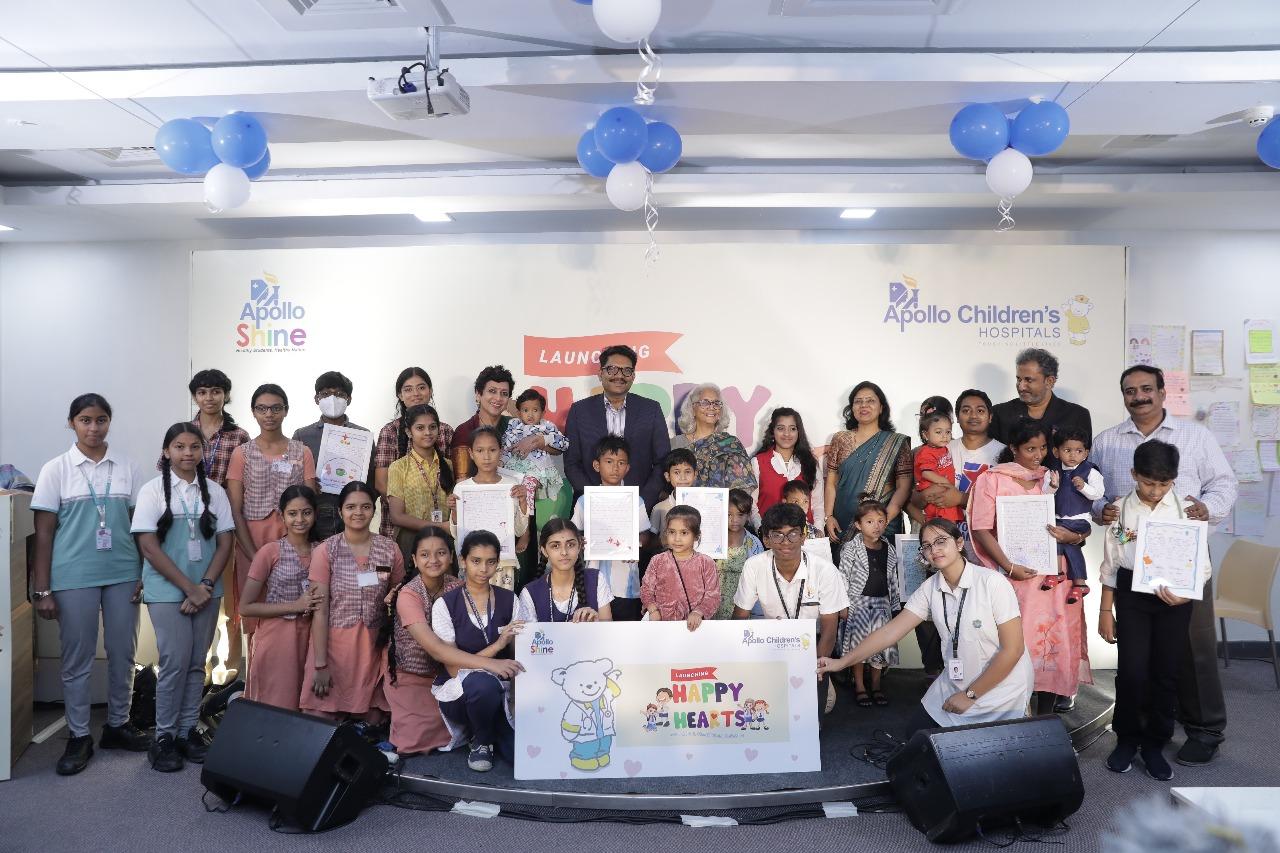
Health education and awareness are critical components of Apollo Hospitals’ CSR initiatives.
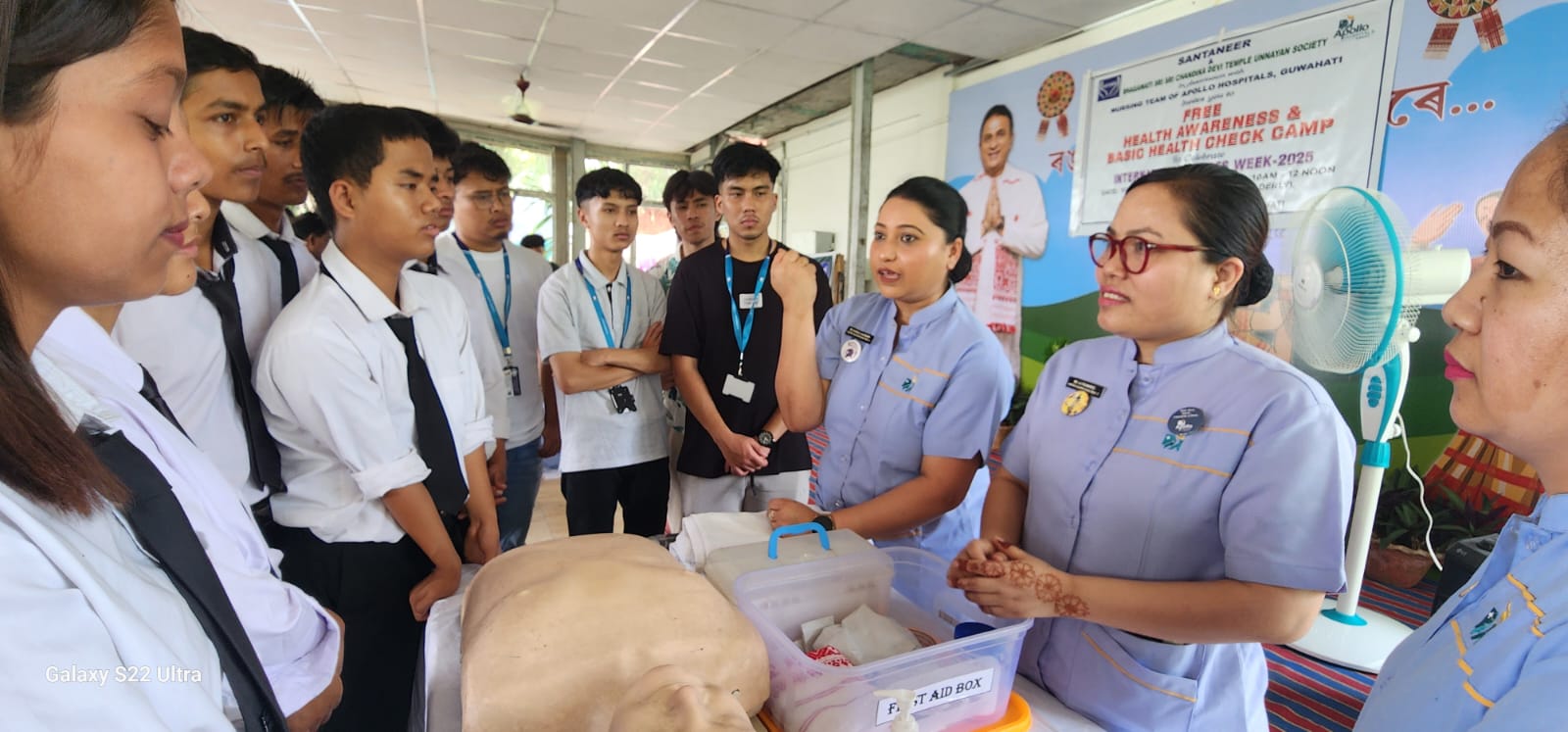
Preventive Healthcare Campaigns
Apollo Hospitals conducts awareness campaigns on major health issues such as:
- Diabetes prevention
- Heart disease awareness
- Cancer screening programs
- Nutrition and lifestyle education
These campaigns educate communities about maintaining healthy lifestyles.
School Health Programs
Apollo Hospitals also runs school health initiatives that focus on:
- Child health checkups
- Nutrition awareness
- Hygiene education
- Mental health awareness
These programs promote healthy habits among young students.
Women and Child Healthcare Initiatives
4
Women and child health is another important focus area of Apollo Hospitals’ CSR programs.
Maternal Health Programs
Initiatives support maternal healthcare through:
- Prenatal health checkups
- Nutrition education
- Safe childbirth awareness
Child Health Programs
Programs aimed at improving child health include:
- Immunization awareness
- Pediatric health camps
- Nutrition programs for children
These initiatives contribute to improving maternal and child health outcomes.
Environmental Sustainability Programs

Apollo Hospitals integrates environmental sustainability into its CSR initiatives.
Key Environmental Programs
Tree Plantation Drives
Tree plantation campaigns help improve environmental health and increase green cover.
Water Conservation Projects
Rainwater harvesting and water recycling systems help conserve water resources.
Medical Waste Management
Apollo Hospitals follows strict guidelines for safe disposal and recycling of medical waste.
These initiatives help reduce the environmental impact of healthcare operations.
Disaster Relief and Emergency Medical Support

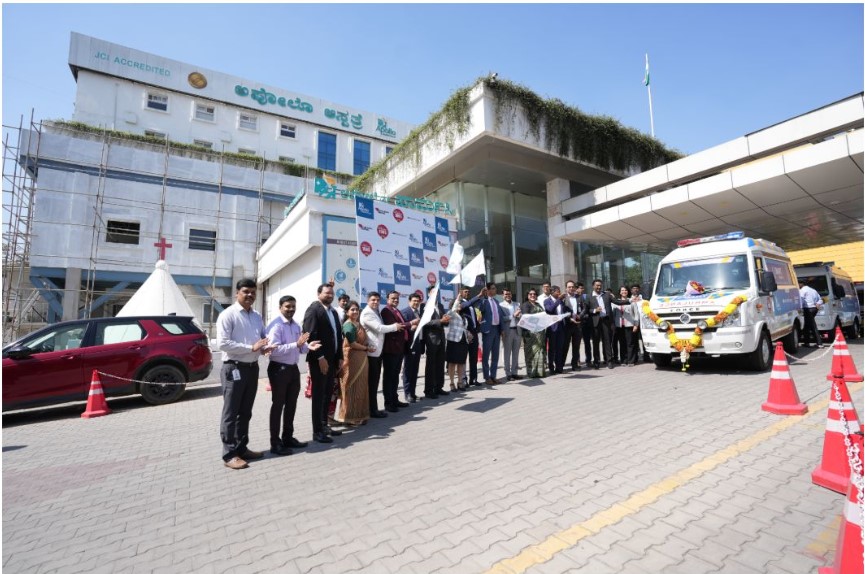
Apollo Hospitals actively participates in disaster relief operations during natural disasters and emergencies.
Key Activities
- Emergency medical support during disasters
- Distribution of medicines and essential supplies
- Mobile medical units in affected areas
- Rehabilitation support for affected communities
These initiatives provide critical healthcare assistance during emergencies.
Impact of Apollo Hospitals CSR Activities
Apollo Hospitals’ CSR initiatives have created significant social impact across India.
Key Achievements
- Provided healthcare services to millions of people in rural areas
- Improved awareness about preventive healthcare
- Strengthened maternal and child health programs
- Expanded telemedicine services to remote communities
- Promoted environmental sustainability in healthcare
These achievements reflect Apollo Hospitals’ commitment to improving public health.
Future CSR Vision of Apollo Hospitals
Apollo Hospitals plans to expand its CSR initiatives to address emerging healthcare challenges.
Future priorities include:
- Expanding telemedicine services
- Strengthening rural healthcare infrastructure
- Increasing preventive healthcare awareness programs
- Supporting community health research
- Collaborating with NGOs for healthcare initiatives
These initiatives aim to improve healthcare access for millions of people.
How NGOs Can Collaborate with Apollo Hospitals CSR
NGOs and nonprofit organizations can collaborate with Apollo Hospitals Foundation to implement healthcare and community development projects.
Eligibility Criteria
Organizations should:
- Be registered as Trust / Society / Section 8 Company
- Have minimum 3 years of operational experience
- Possess 12A and 80G certification
- Have experience implementing healthcare or community programs
Documents Required
- NGO registration certificate
- PAN card
- 12A and 80G certificates
- CSR project proposal
- NGO profile and annual reports
- Audited financial statements
Collaboration Process
- Prepare a CSR proposal aligned with Apollo CSR priorities
- Submit proposal to Apollo Hospitals Foundation
- Proposal evaluation and due diligence
- Approval and partnership agreement
- Project implementation and monitoring
Conclusion
Apollo Hospitals Enterprise Limited has played a transformative role in improving healthcare access in India.
Through its CSR initiatives implemented by the Apollo Hospitals Foundation, the organization continues to support impactful programs in community healthcare, telemedicine, maternal and child health, education, and environmental sustainability.
These initiatives contribute to building healthier communities and a stronger healthcare ecosystem in India.