🏥 Reliance Industries CSR Healthcare Programs in India

The reliance industries CSR healthcare programs represent one of the most impactful corporate social responsibility initiatives in India. Through Reliance Foundation, Reliance Industries Limited has been actively working to improve healthcare accessibility, affordability, and quality across the country.
India’s healthcare system faces several structural challenges, particularly in rural and underserved regions. Limited access to hospitals, shortage of doctors, high treatment costs, and lack of awareness contribute to poor health outcomes. The reliance industries CSR healthcare programs aim to address these gaps through a comprehensive and multi-layered approach.
A key focus area is primary healthcare delivery. Reliance Foundation operates healthcare centers and mobile medical units that provide essential services such as diagnosis, treatment, and preventive care. These services are especially beneficial in remote areas where healthcare facilities are scarce.
Another important component is preventive healthcare. Awareness campaigns on hygiene, nutrition, and disease prevention are conducted regularly. These initiatives help reduce the incidence of preventable diseases and promote healthier lifestyles.
Hospital-based care is also supported under these programs. Reliance CSR invests in healthcare institutions that provide specialized treatment at affordable costs. This includes services related to maternal health, child care, and chronic disease management.
The initiative aligns with national programs like Ayushman Bharat, contributing to the goal of universal healthcare coverage in India.
In conclusion, the reliance industries CSR healthcare programs are not just about providing medical services—they focus on building a sustainable healthcare ecosystem that improves lives and strengthens communities.
SEO Image Description:
“Mobile medical unit providing healthcare services in rural India under Reliance CSR healthcare programs.”
🚑 Reliance Foundation Healthcare Initiatives and Rural Healthcare CSR India
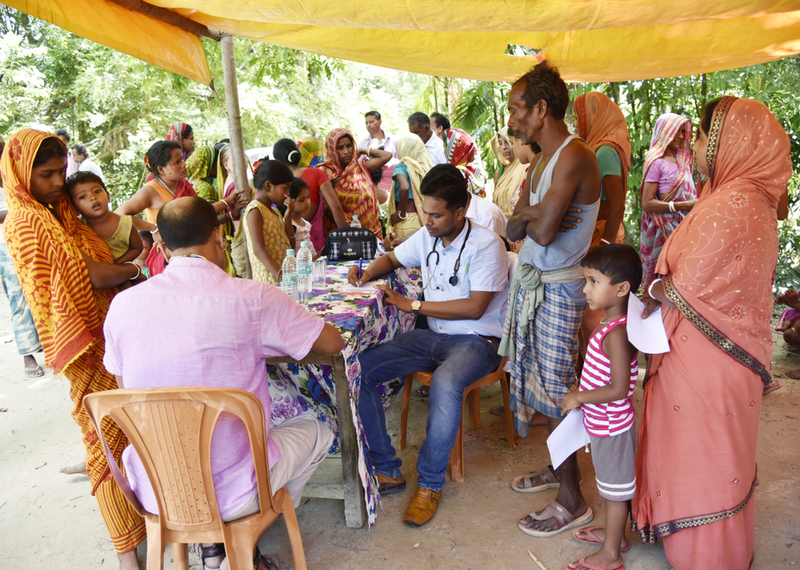
The Reliance Foundation healthcare initiatives are a cornerstone of rural healthcare CSR India, addressing one of the most critical challenges in the country—access to healthcare in rural areas. A large portion of India’s population lives in villages where healthcare infrastructure is either inadequate or completely absent.
Under the reliance industries CSR healthcare programs, Reliance Foundation has implemented innovative solutions to bring healthcare services directly to these communities. One of the most effective strategies is the deployment of mobile medical units (MMUs). These units travel to remote villages, offering essential services such as medical check-ups, diagnostic tests, and basic treatments.
These mobile units are equipped with trained medical professionals and necessary equipment, ensuring that patients receive quality care without having to travel long distances. This is particularly beneficial for elderly patients, women, and children who may face mobility challenges.
Community health programs are another important aspect. Local health workers are trained to provide basic medical assistance and educate communities about health and hygiene. This creates a sustainable model where healthcare knowledge is embedded within the community.
Maternal and child healthcare is a priority area. Programs focus on ensuring safe pregnancies, reducing infant mortality, and improving child nutrition. These initiatives have significantly improved health outcomes in rural areas.
Telemedicine is also being used to connect rural patients with specialists in urban centers. This helps bridge the gap between rural and urban healthcare services and ensures timely diagnosis and treatment.
In summary, Reliance Foundation healthcare initiatives are transforming rural healthcare by making it accessible, affordable, and sustainable.
🏥 CSR Healthcare Projects India and Free Medical Camps CSR India
CSR healthcare projects India, especially free medical camps CSR India, are a major component of the reliance industries CSR healthcare programs. These initiatives are designed to provide immediate healthcare services to underserved populations.
Free medical camps are organized in both rural and urban areas, offering services such as general check-ups, eye examinations, dental care, and diagnostic tests. These camps are particularly beneficial for economically weaker sections who cannot afford regular healthcare services.
Specialized camps are also conducted for specific health issues such as eye care, diabetes, and women’s health. These camps not only provide treatment but also raise awareness about preventive healthcare.
These projects are implemented in collaboration with NGOs and healthcare professionals, ensuring efficient delivery of services. Community participation is encouraged to maximize outreach and impact.
In addition to treatment, these camps focus on health education. People are educated about hygiene, nutrition, and disease prevention, which helps reduce long-term healthcare issues.
In conclusion, CSR healthcare projects and free medical camps play a vital role in improving community health and reducing healthcare disparities.
🤝 NGO Funding for Healthcare India under Reliance CSR

The reliance industries CSR healthcare programs offer significant opportunities for NGO funding for healthcare India. NGOs working in healthcare can collaborate with Reliance Foundation to implement impactful projects.
To qualify for funding, NGOs must meet certain eligibility criteria. They should be registered as a Trust, Society, or Section 8 Company and have certifications such as CSR-1, 12A, and 80G.
A strong project proposal is essential. It should clearly define the healthcare problem, target beneficiaries, implementation strategy, budget, and expected outcomes. Projects focused on rural healthcare, preventive care, and community health are more likely to receive support.
Networking is also crucial. NGOs should build relationships with CSR professionals and participate in industry events.
Transparency and accountability are key requirements. NGOs must maintain proper documentation and provide regular progress reports.
In conclusion, NGOs with strong proposals and proven impact can successfully secure funding under Reliance CSR healthcare programs.
📈 Impact of CSR Healthcare Projects India and Long-Term Benefits
The long-term impact of CSR healthcare projects India, especially under the reliance industries CSR healthcare programs, is significant and far-reaching.
One of the most important impacts is improved access to healthcare in rural areas. Mobile medical units and health camps have brought medical services to communities that previously had limited access.
Preventive healthcare programs have reduced the incidence of diseases by promoting awareness and healthy practices. This has led to improved overall community health.
Maternal and child health outcomes have improved significantly, with reduced mortality rates and better nutrition.
These initiatives also contribute to national goals such as Ayushman Bharat.
In conclusion, these programs create a ripple effect that improves lives, strengthens communities, and contributes to national development.
How do reliance industries CSR healthcare programs improve rural healthcare in India
The reliance industries CSR healthcare programs play a transformative role in improving rural healthcare CSR India, where access to medical services has traditionally been limited. A significant portion of India’s population resides in rural areas, yet these regions often lack adequate healthcare infrastructure, trained medical professionals, and awareness about preventive care. This gap has historically resulted in poor health outcomes, higher mortality rates, and untreated illnesses.
Through Reliance Foundation, Reliance Industries Limited has implemented a multi-layered strategy to address these challenges. One of the most impactful interventions is the deployment of mobile medical units (MMUs). These units travel to remote villages and underserved regions, providing essential healthcare services such as consultations, diagnostic tests, and basic treatments. This eliminates the need for patients to travel long distances, which is often a major barrier in rural healthcare access.
Another important aspect is the focus on community-based healthcare models. Local health workers are trained to provide basic medical assistance and health education within their communities. This approach ensures sustainability, as healthcare knowledge and support systems are embedded at the grassroots level. These workers act as a bridge between formal healthcare systems and local populations.
Preventive healthcare is a major pillar of these programs. Awareness campaigns on hygiene, nutrition, maternal health, and disease prevention are regularly conducted. These initiatives help reduce the incidence of preventable diseases such as infections, malnutrition, and lifestyle-related conditions. By focusing on prevention, the reliance industries CSR healthcare programs reduce the long-term burden on healthcare systems.
Maternal and child healthcare is another critical area of impact. Programs are designed to ensure safe pregnancies, reduce infant mortality, and improve child nutrition. Regular health check-ups, vaccination drives, and nutritional support have significantly improved outcomes for mothers and children in rural areas.
Telemedicine is also being leveraged to connect rural patients with specialists in urban centers. This ensures timely diagnosis and access to expert medical advice, even in remote locations. It effectively bridges the gap between rural and urban healthcare systems.
In conclusion, the reliance industries CSR healthcare programs improve rural healthcare by making it accessible, affordable, preventive, and sustainable, thereby transforming health outcomes across underserved regions of India.
What types of CSR healthcare projects India are included under Reliance CSR
The reliance industries CSR healthcare programs encompass a wide range of CSR healthcare projects India, each designed to address specific healthcare challenges and improve overall community well-being. These projects are holistic in nature, covering preventive, primary, and specialized healthcare services.
One of the most prominent types of projects is primary healthcare delivery. This includes setting up healthcare centers and deploying mobile medical units that provide basic medical services such as consultations, diagnostics, and treatment. These services are particularly important in rural and remote areas where healthcare facilities are scarce.
Another major category is free medical camps CSR India. These camps are organized regularly in underserved communities and offer services such as general health check-ups, eye examinations, dental care, and diagnostic tests. Specialized camps focusing on conditions like diabetes, hypertension, and women’s health are also conducted. These camps not only provide treatment but also raise awareness about preventive healthcare.
Hospital support is another key component. Reliance CSR invests in healthcare institutions that provide affordable and quality medical services. This includes support for infrastructure, equipment, and specialized treatment facilities. These hospitals cater to a wide range of medical needs, from routine care to complex procedures.
Preventive healthcare projects are also a significant part of the initiative. Awareness programs on hygiene, nutrition, and disease prevention are conducted to educate communities and reduce the incidence of preventable diseases. These programs are crucial in promoting long-term health and reducing healthcare costs.
Maternal and child healthcare programs focus on improving health outcomes for mothers and children. These include prenatal and postnatal care, vaccination drives, and nutritional support. Such initiatives are critical in reducing infant and maternal mortality rates.
Telemedicine and digital health initiatives are also being implemented. These projects use technology to connect patients in remote areas with medical specialists, ensuring timely diagnosis and treatment.
In summary, the reliance industries CSR healthcare programs include a diverse range of projects that collectively create a comprehensive healthcare ecosystem, addressing both immediate and long-term health needs.
How can NGOs get NGO funding for healthcare India under Reliance CSR
Securing NGO funding for healthcare India under the reliance industries CSR healthcare programs requires a strategic and well-structured approach. Reliance Foundation follows a partnership-driven model, meaning NGOs must demonstrate credibility, alignment, and impact to be considered for funding.
The first and most important step is ensuring legal compliance. NGOs must be registered as a Trust, Society, or Section 8 Company. They must also possess mandatory certifications such as CSR-1 registration, 12A, and 80G. These certifications are essential for receiving CSR funds in India and demonstrate that the organization operates within regulatory frameworks.
The next step is preparing a strong and detailed project proposal. This proposal should clearly define the healthcare problem being addressed, target beneficiaries, project objectives, implementation strategy, budget, and expected outcomes. It is crucial to align the proposal with CSR healthcare projects India, particularly areas such as rural healthcare, preventive care, and community health.
Demonstrating past impact is equally important. NGOs should present case studies, success stories, and measurable outcomes from previous projects. This helps build trust and shows that the organization has the capability to deliver results.
Networking plays a significant role in accessing CSR opportunities. NGOs should actively connect with CSR professionals, attend industry events, and build relationships with corporate stakeholders. Platforms like LinkedIn can be highly effective for this purpose.
Transparency and accountability are critical requirements. NGOs must maintain proper documentation, conduct regular audits, and provide detailed progress reports. This ensures that funds are used effectively and builds long-term credibility.
In some cases, NGOs may collaborate with CSR consultants who have established connections with corporate foundations. However, it is important to ensure that such collaborations are ethical and transparent.
In conclusion, NGOs that combine compliance, strong proposals, proven impact, and strategic networking have a higher chance of securing funding under the reliance industries CSR healthcare programs.
What is the long-term impact of reliance industries CSR healthcare programs in India
The long-term impact of the reliance industries CSR healthcare programs is profound and extends far beyond immediate healthcare delivery. These programs contribute to building a sustainable and inclusive healthcare ecosystem that benefits individuals, communities, and the nation as a whole.
One of the most significant impacts is improved health outcomes. By providing access to quality healthcare services, these programs reduce the incidence of diseases, improve recovery rates, and enhance overall well-being. Preventive healthcare initiatives, such as awareness campaigns and early diagnosis, play a crucial role in reducing long-term health risks.
Another major impact is the strengthening of rural healthcare CSR India. By bringing healthcare services to remote areas through mobile medical units and community health programs, these initiatives bridge the gap between urban and rural healthcare systems. This ensures that even the most underserved populations have access to essential medical services.
The programs also contribute to economic development. Healthy individuals are more productive and able to contribute to the economy. Reduced healthcare costs and improved health outcomes lead to better financial stability for families and communities.
Maternal and child healthcare initiatives have long-term benefits for future generations. Improved nutrition, vaccination, and healthcare services ensure that children grow up healthy and capable of achieving their full potential.
Digital health initiatives, such as telemedicine, are also creating lasting impact by integrating technology into healthcare delivery. This not only improves access but also enhances efficiency and scalability.
These programs align with national initiatives like Ayushman Bharat, contributing to the broader goal of universal healthcare coverage.
In conclusion, the reliance industries CSR healthcare programs create a ripple effect that improves health, strengthens communities, and supports national development.